



























The #1 Source for Information on Lobular Breast Cancer
What is Lobular Breast Cancer?
Lobular breast cancer, also called invasive lobular carcinoma (ILC), is the 2nd most common type of breast cancer, accounting for about 15% of all breast cancer diagnoses with over 48,000 cases diagnosed each year. It’s time to advance research to better understand ILC and its differences, and refine treatment for patients.
Hear from LBCA Scientific Advisory Board and other ILC experts
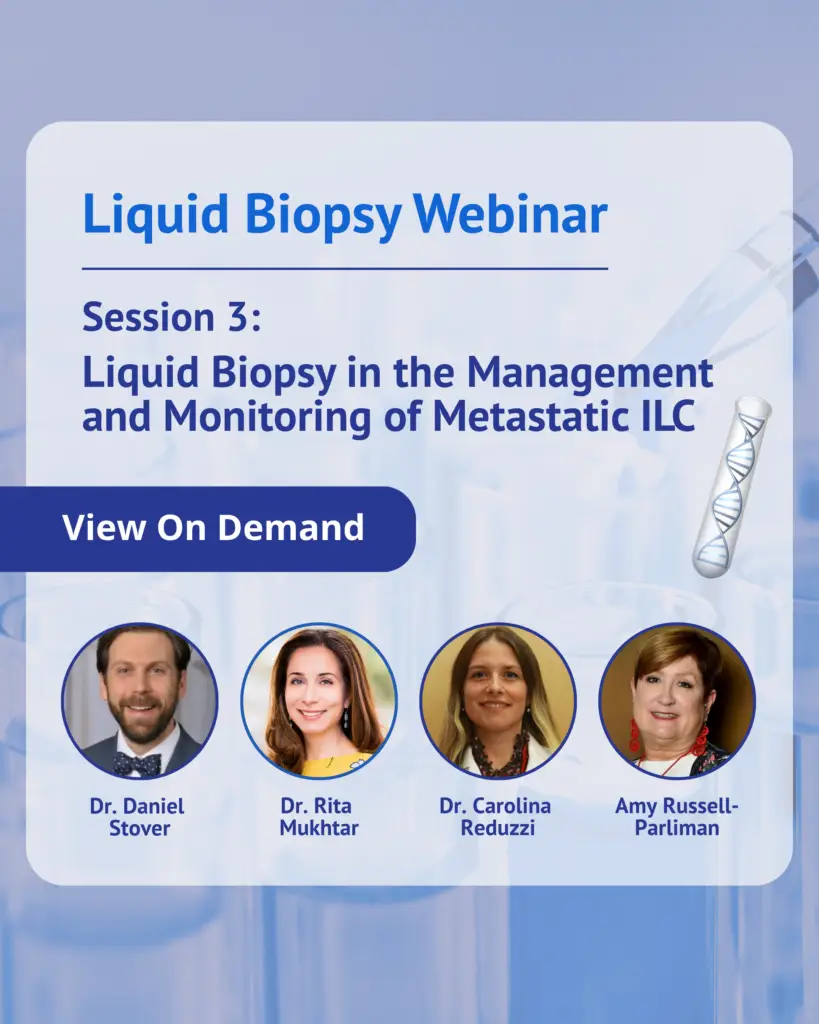
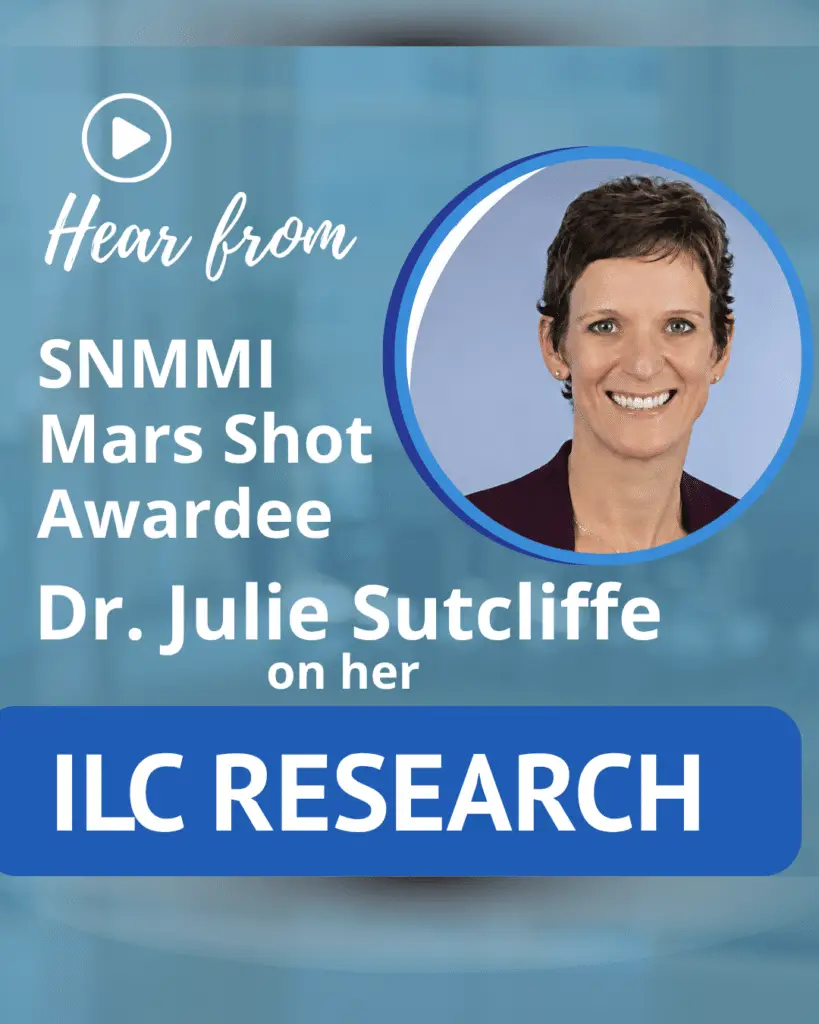
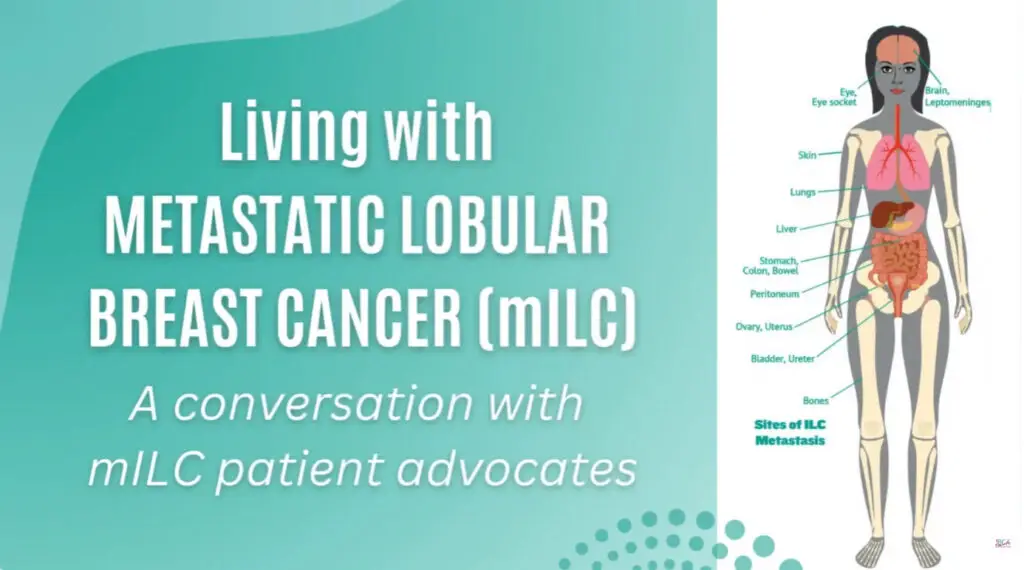
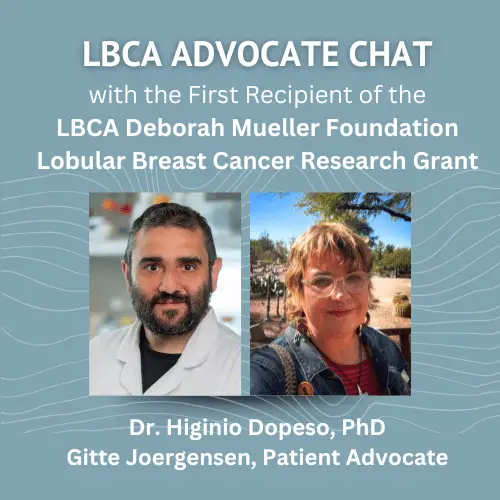
Watch the most recent webinars and interviews with SAB members, researchers, patient advocates, and more.
The Latest News

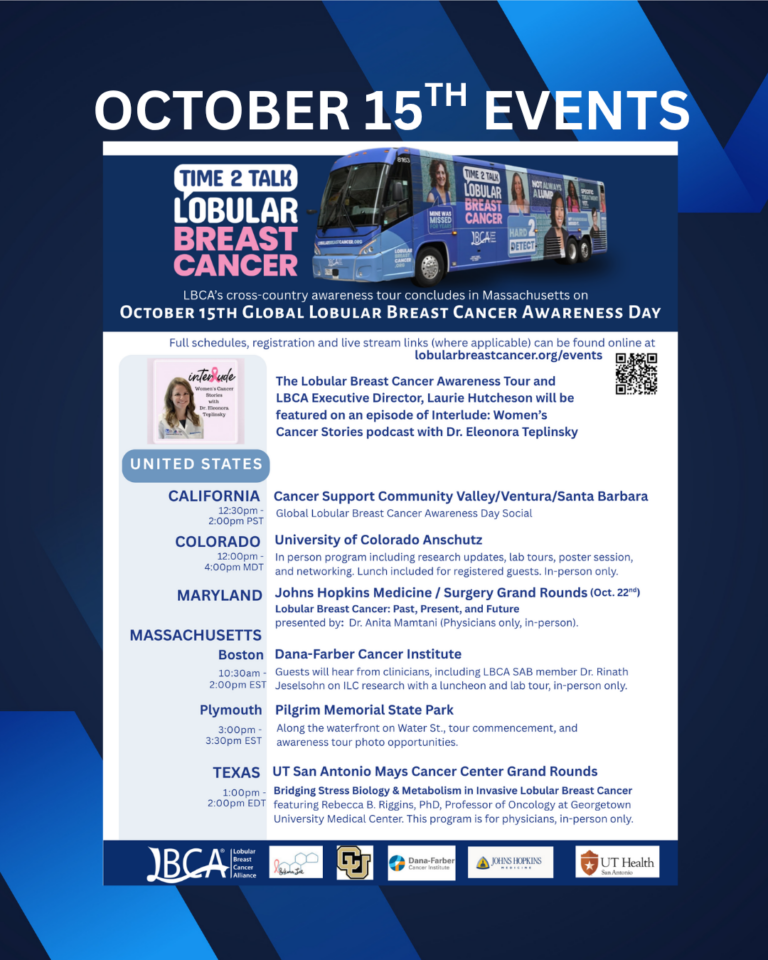
The Lobular Breast Cancer Awareness Tour Launches Saturday, Sept. 26th!
For LBCA’s annual campaign to raise awareness of Lobular Breast Cancer during October, we’re setting out to Talk About Lobular Breast Cancer across the country, September

The Lobular Breast Cancer Awareness Tour Launches Saturday, Sept. 26th!
Research News

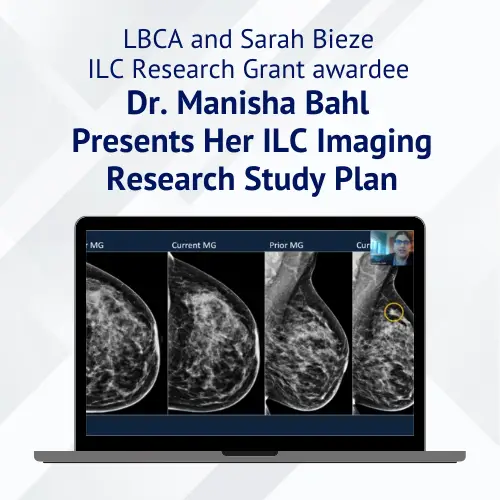
New ILC Research from LBCA’s Scientific Advisory Board Members
LBCA’s Scientific Advisory Board (SAB) members continue to drive critical progress in understanding, diagnosing, and treating invasive lobular carcinoma (ILC) and have co-authored 18 ILC

New ILC Research from LBCA’s Scientific Advisory Board Members
Education & Advocacy

ILC Training Series Expands with Four New On-Demand Lectures
LBCA is pleased to announce that four additional recorded lectures have been added to the Invasive Lobular Breast Cancer Training Series, hosted by Memorial Sloan


ILC Training Series Expands with Four New On-Demand Lectures
My ILC Story

My ILC Story: Meet Jane and Hear Her ILC Story
My name is Jane and I am 56 years old. Breast cancer has been part of my family history for as long as I can

My ILC Story: Meet Jane and Hear Her ILC Story
ILC Clinical Trials
Patients with invasive lobular carcinoma (ILC) can advance understanding of the disease by joining clinical trials. Few trials focus solely on ILC due to its lower incidence (10-15% of all breast cancers), but participation is crucial. Increased research could help improve detection, treatment, prevention of metastasis, and ultimately, develop a cure.