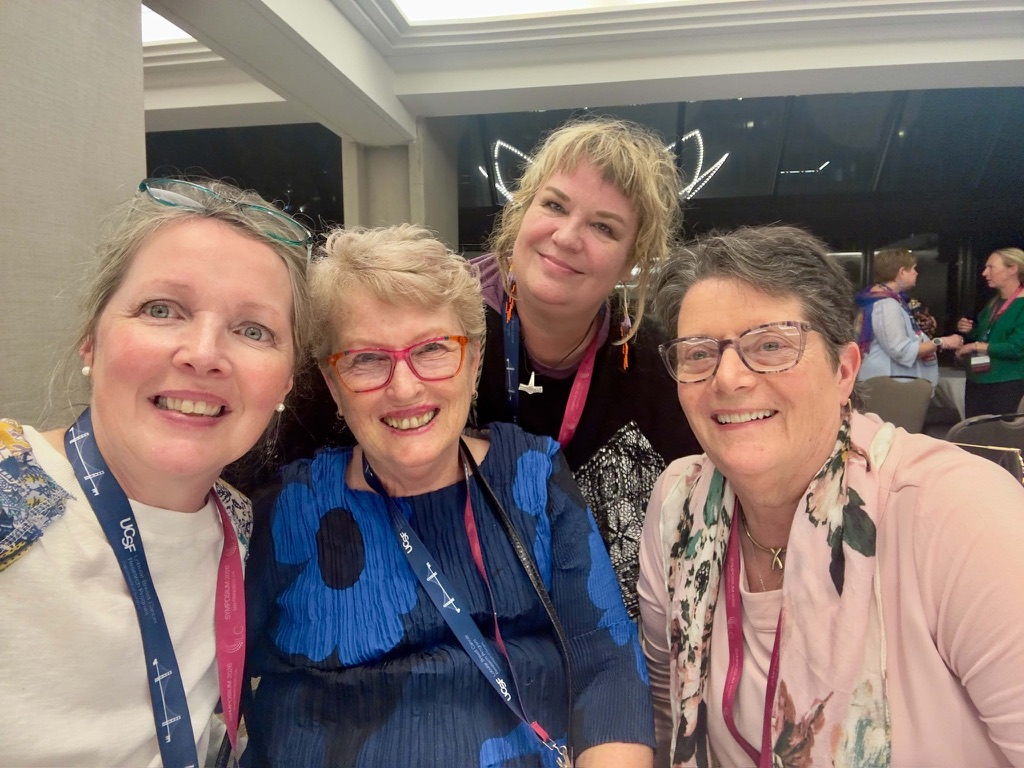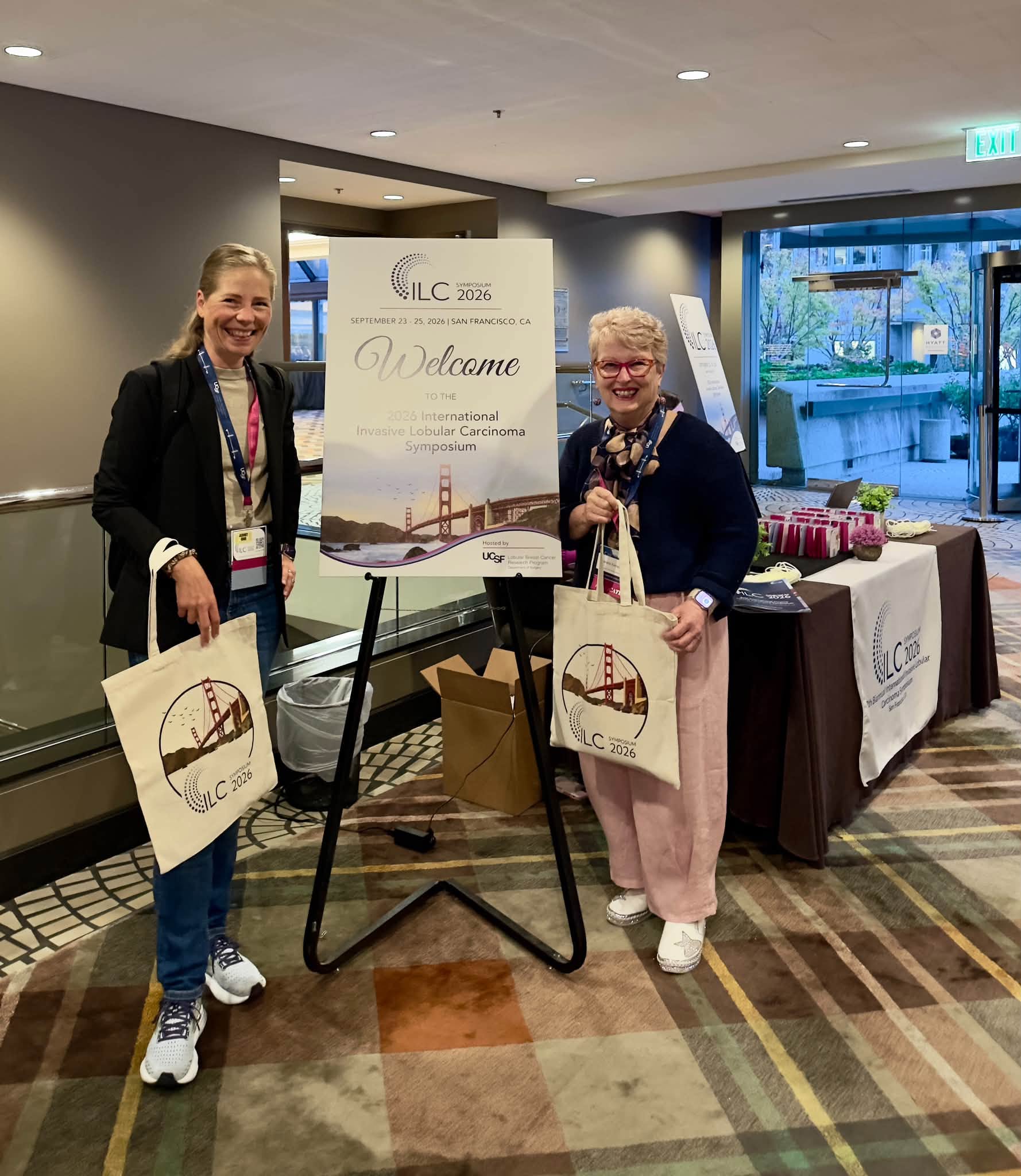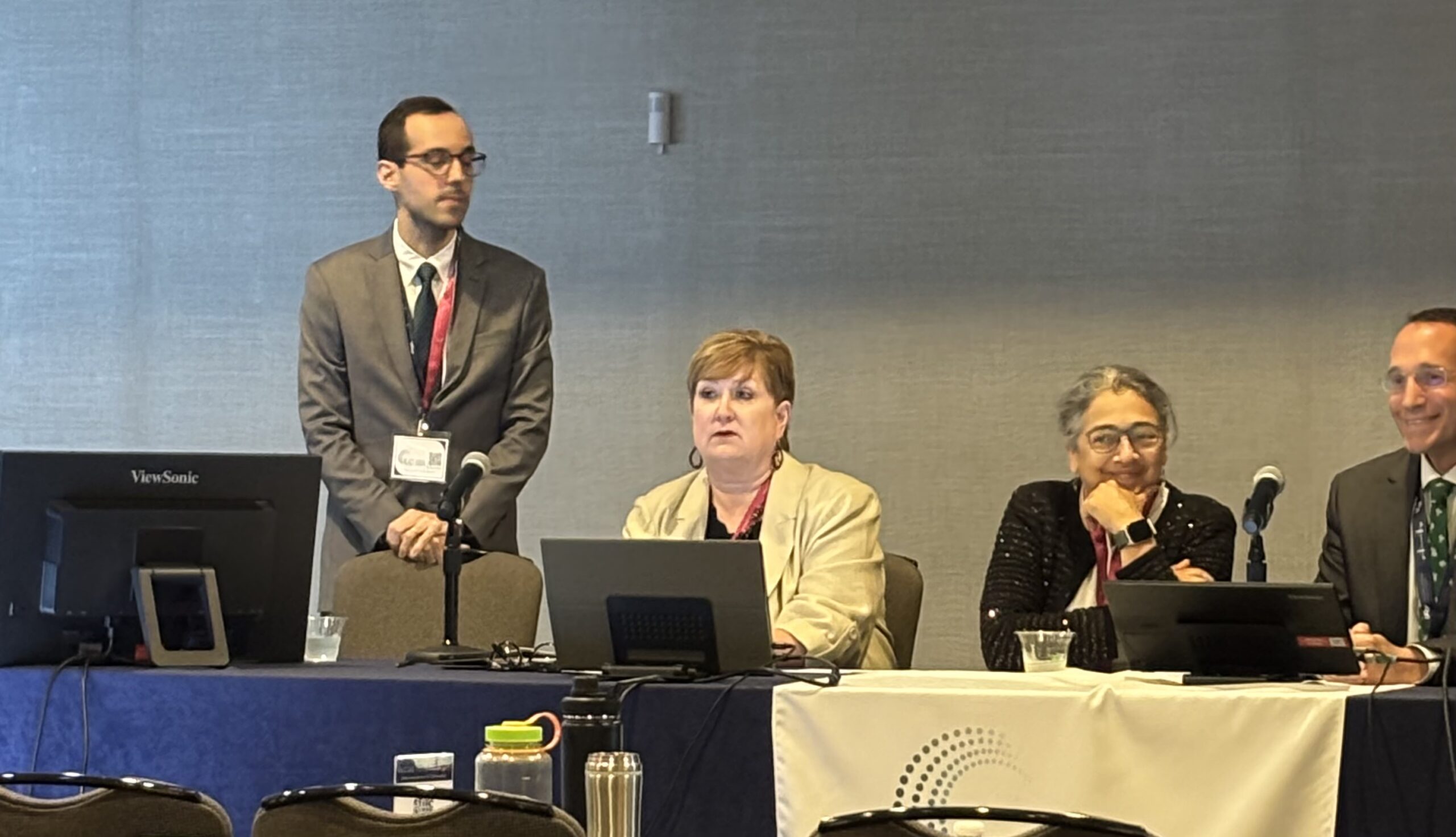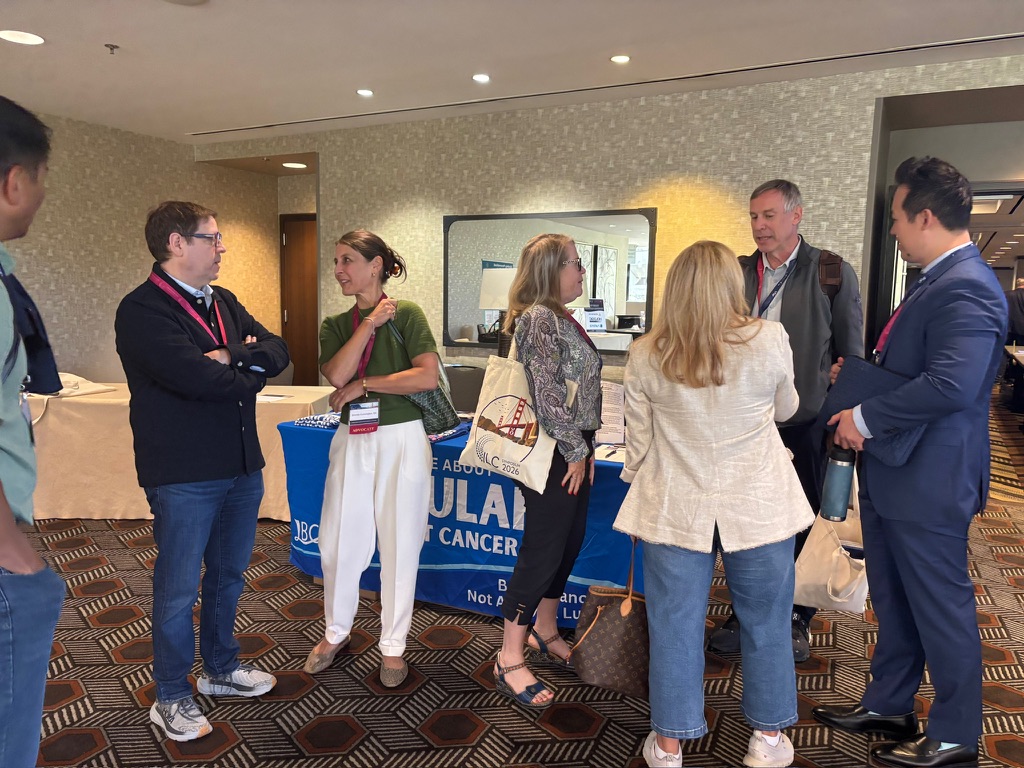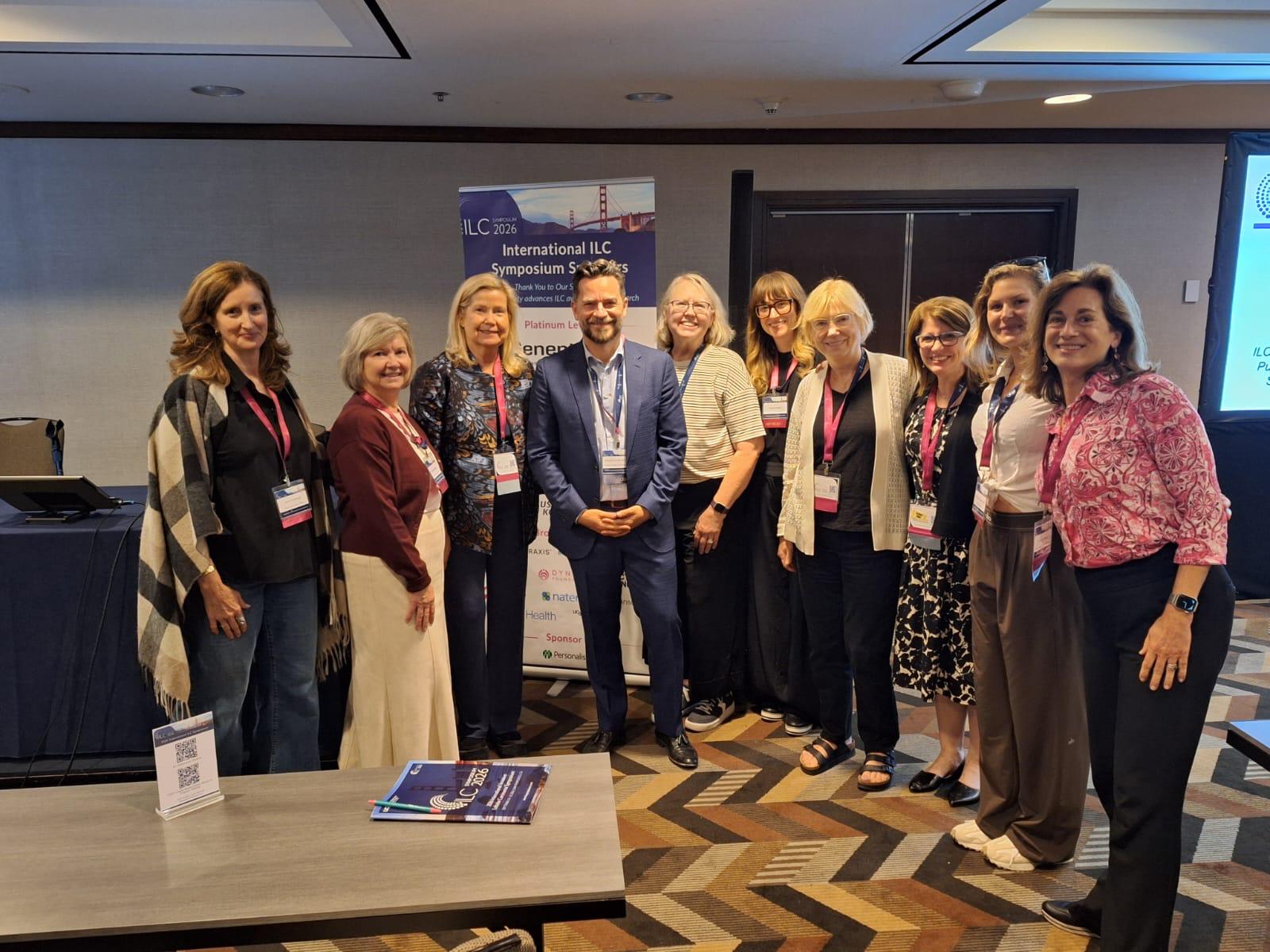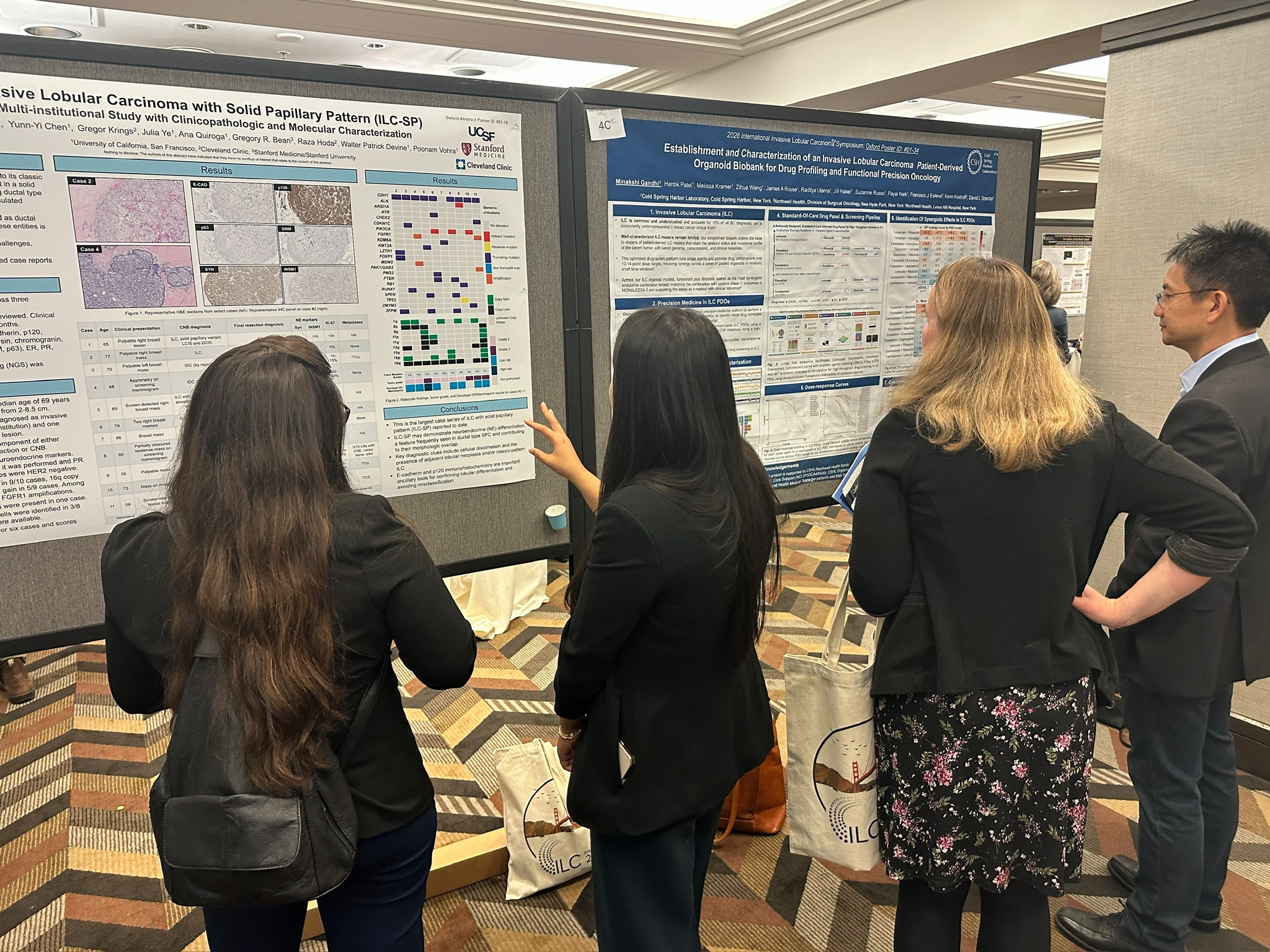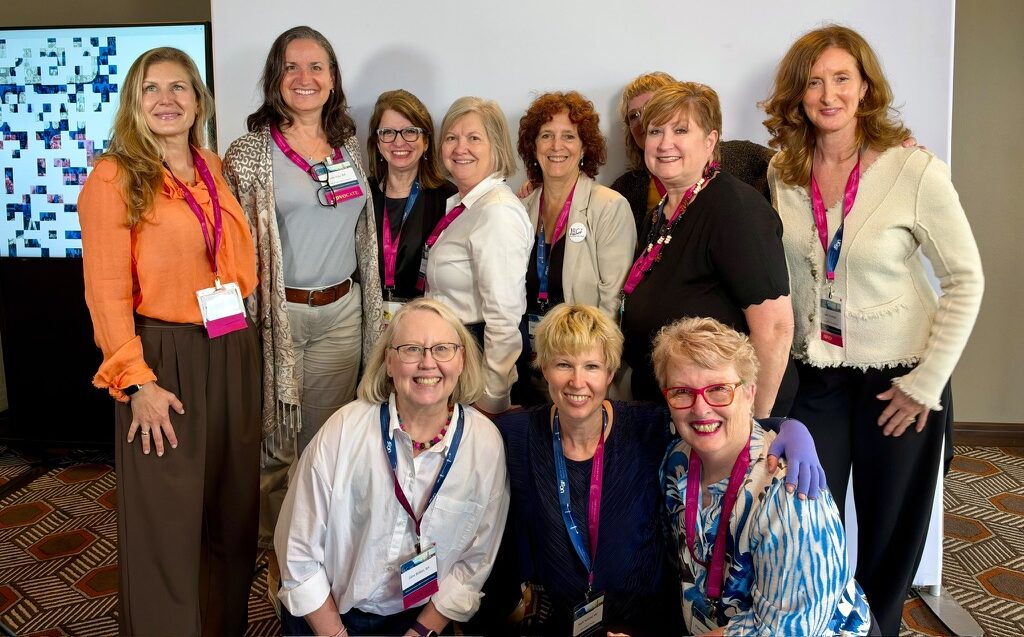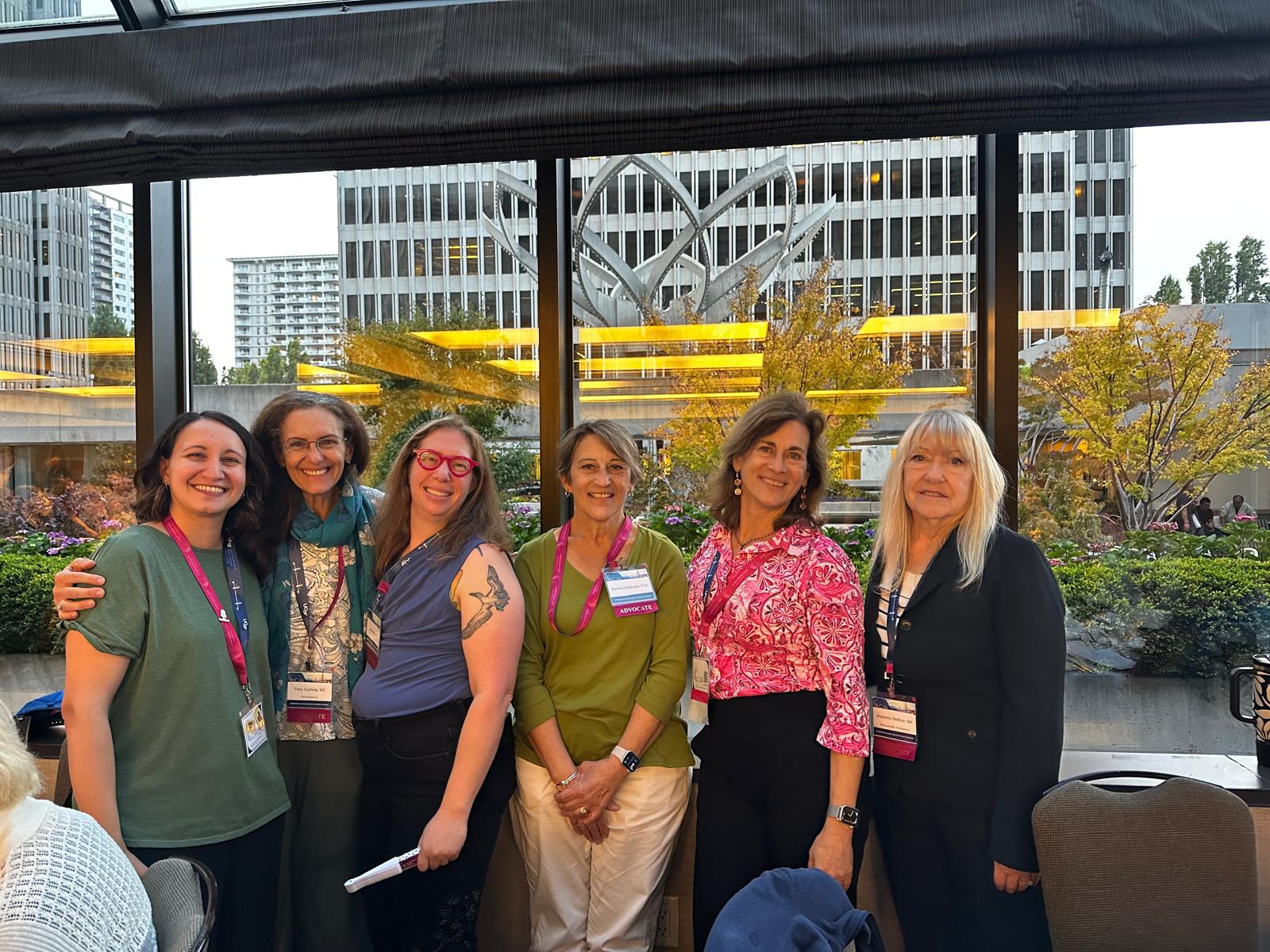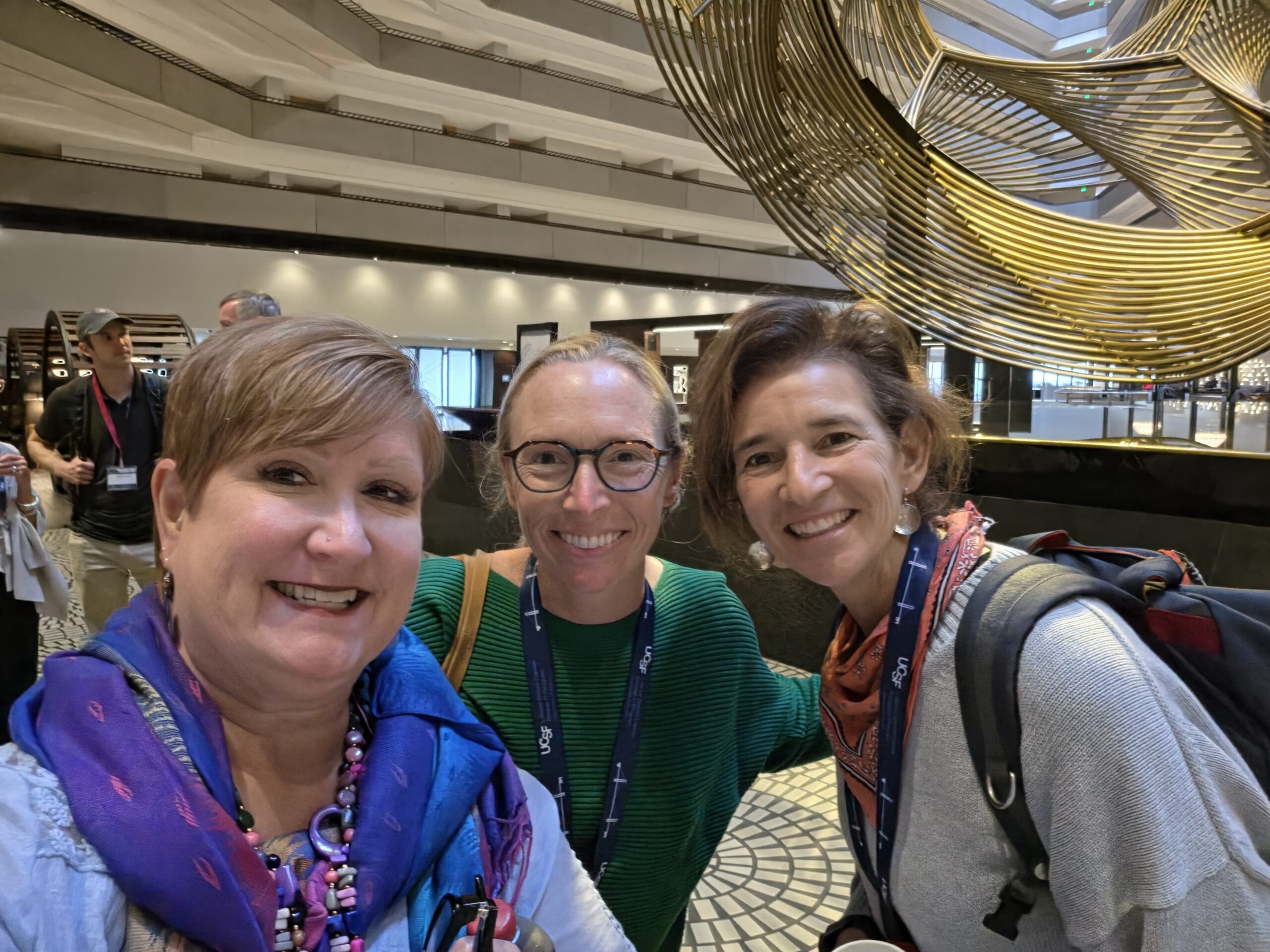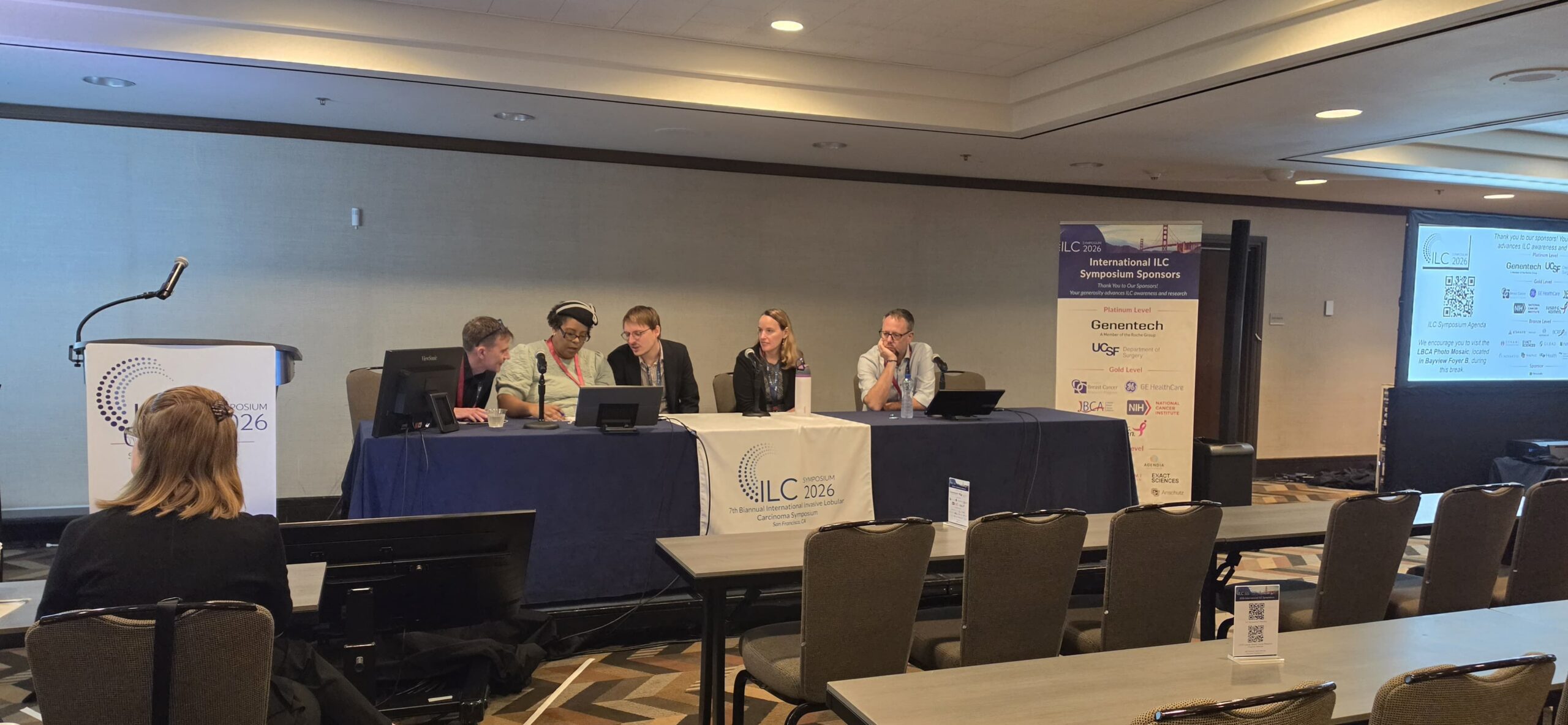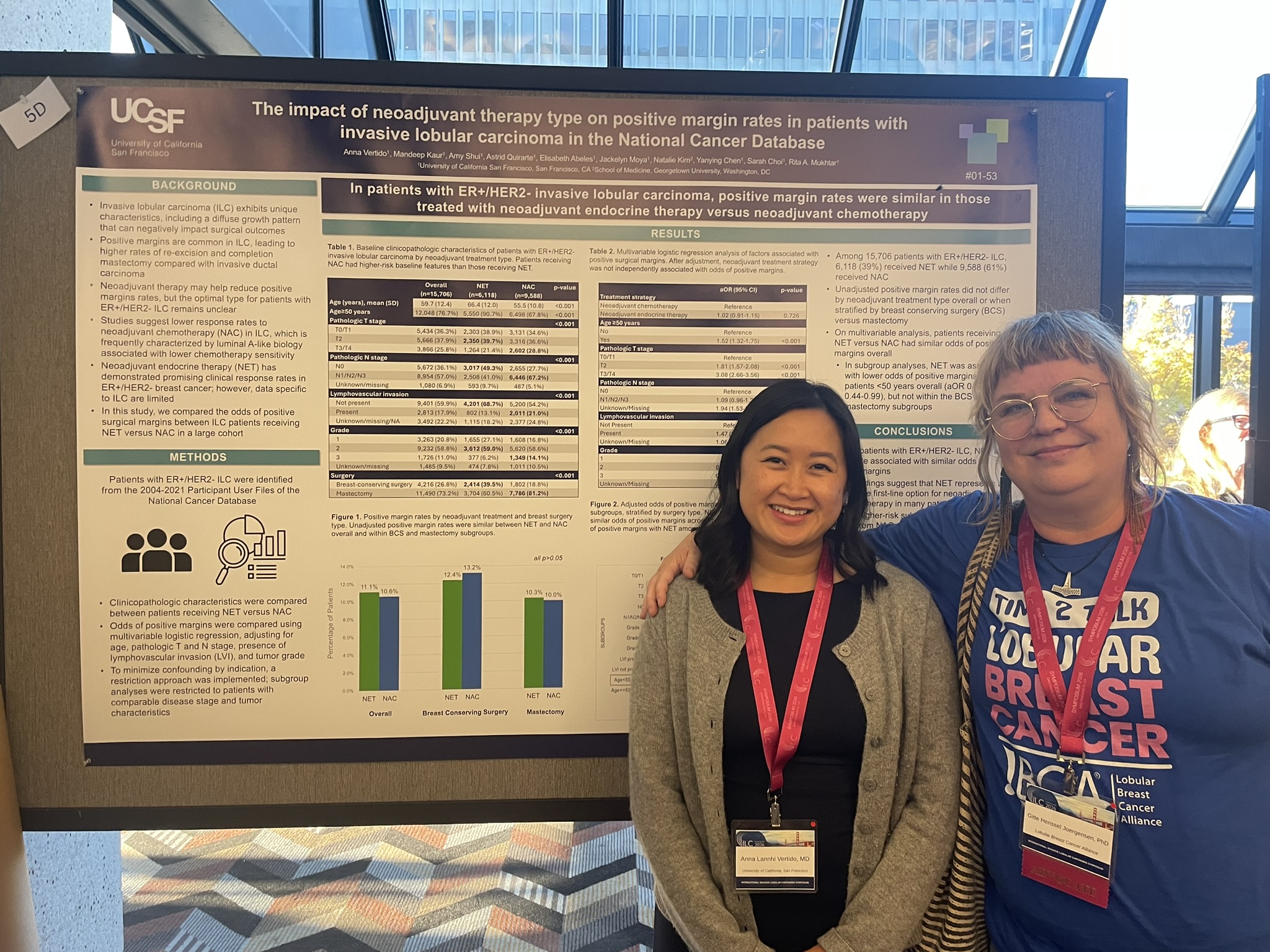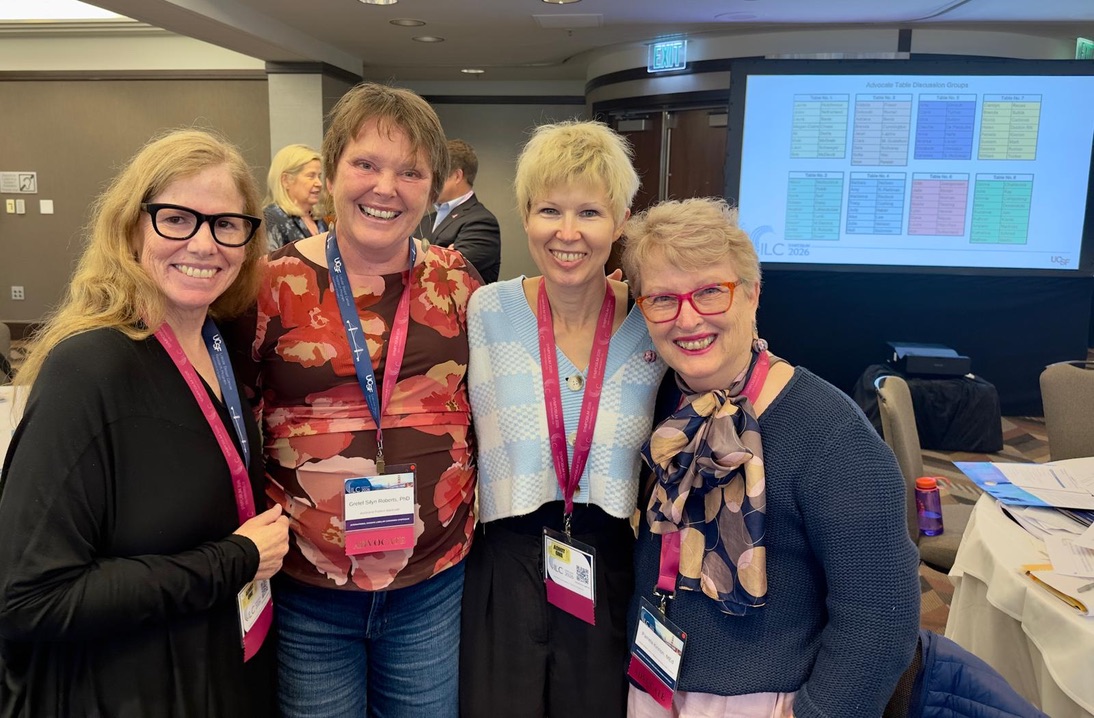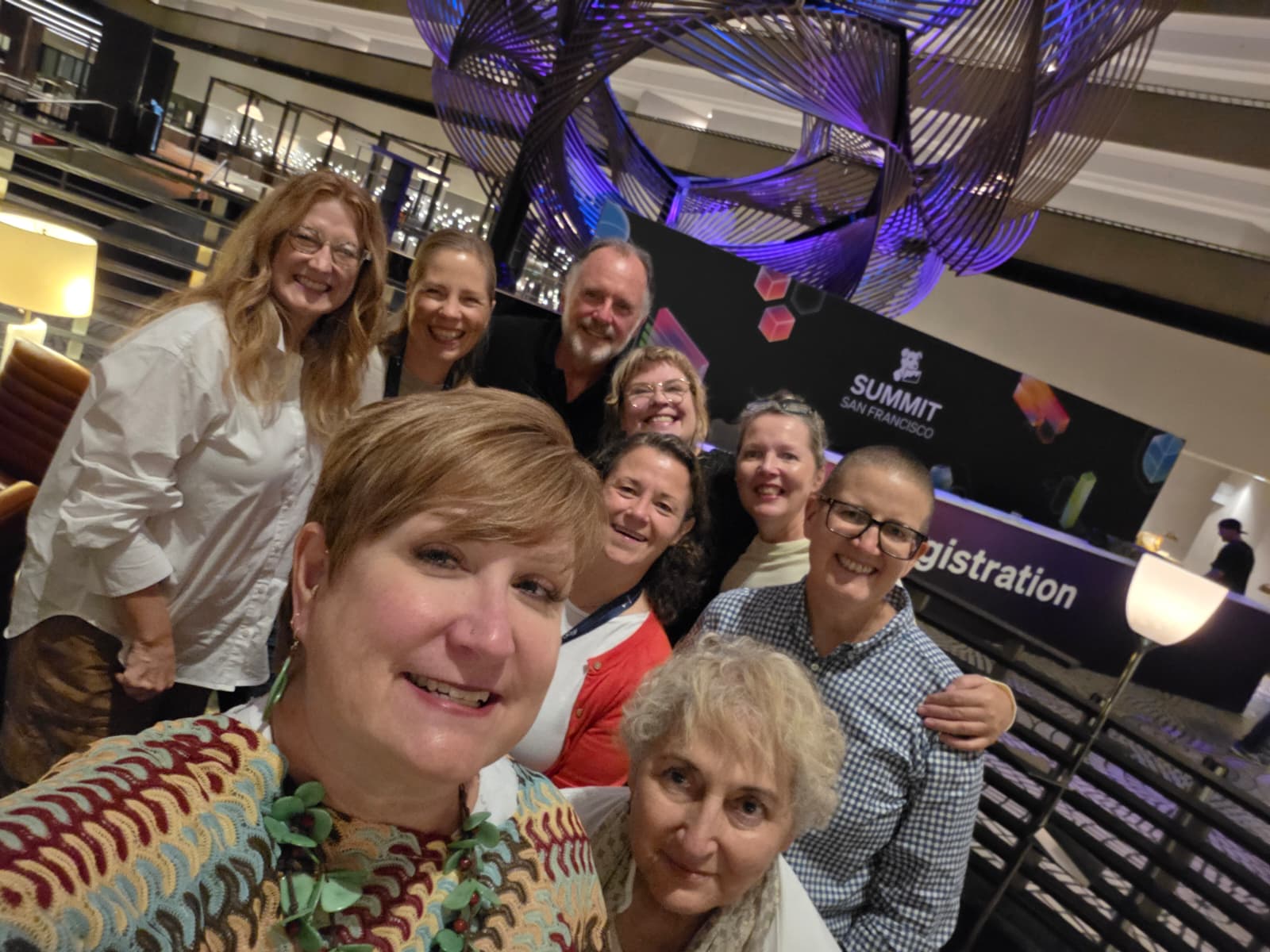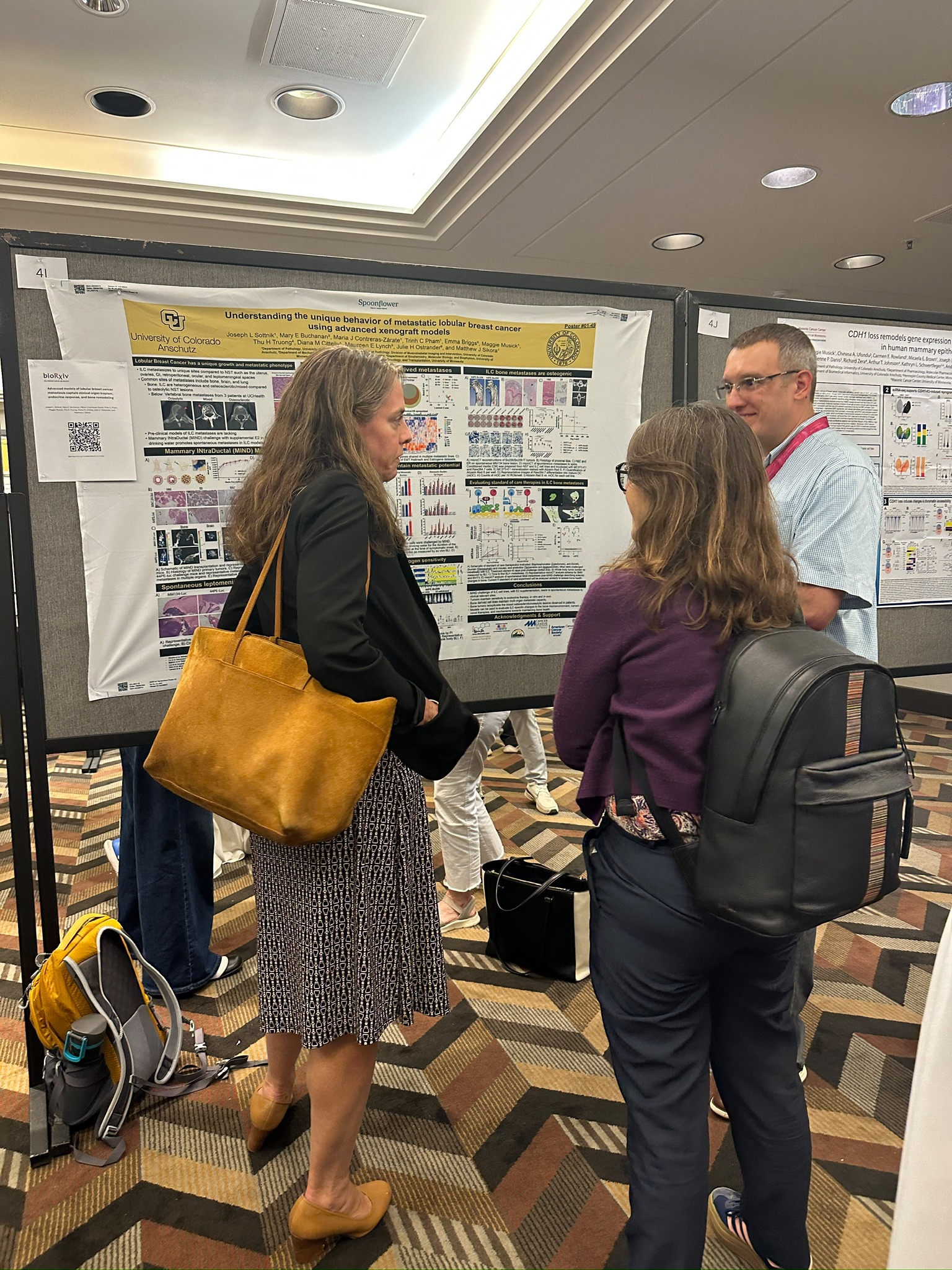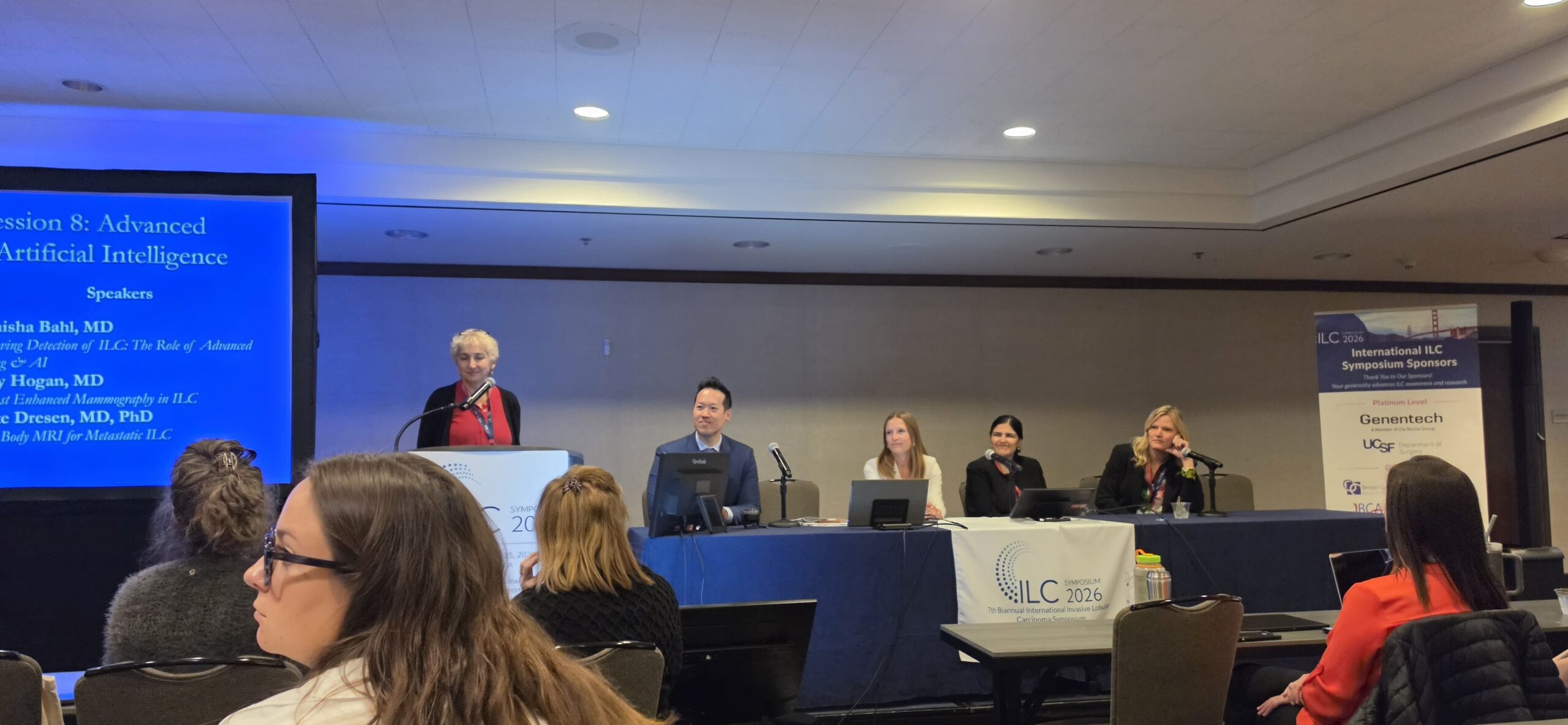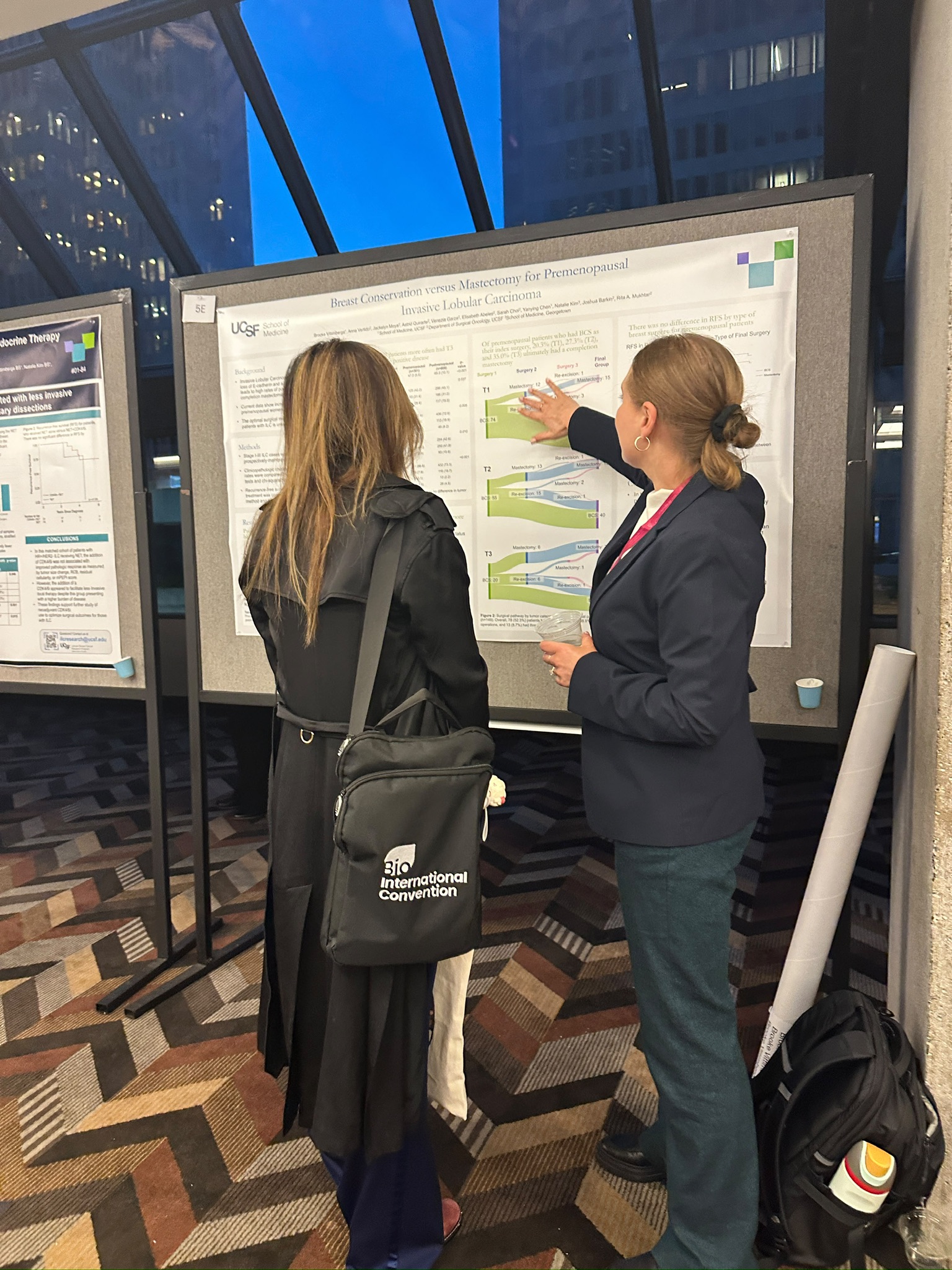
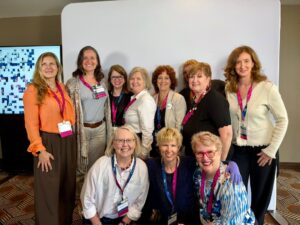
 This September, over 300 attendees from five continents, 11 countries, 28 states, and 121 academic institutions and organizations gathered for the 2026 ILC Symposium in San Francisco, California. The 2026 ILC Symposium was hosted by University of California, San Francisco (UCSF) and LBCA SAB member Dr. Rita Mukhtar, and sponsored in part by LBCA, which also funded many travel scholarships to support advocate attendance. A total of 65 patient advocates participated in the event, even serving as co-moderators of several scientific sessions.
For the first time, LBCA staff and volunteers created a comprehensive guide to accompany the scientific research presentations at the ILC Symposium. This resource provides background information and explains key scientific terms in plain language, making complex research more accessible to a broader audience. Download the guide to help you follow the science as you watch the ILC Symposium session recordings, which will be available on the LBCA website soon.
General practitioner and ILC patient advocate Dr. Katharina Schmid from Australia said of the conference: “One overarching impression I came away with is actually a paradox: we still have so much to learn about ILC, and the more we learn, the more complicated it becomes, but that complexity is also creating new opportunities. It was an incredible few days of ILC focused science–so many discoveries, and yet so much we still do not know–but the momentum and drive is there which is hopeful.”
Recordings of the ILC Symposium sessions will soon be available on the LBCA website. Read a full summary of the 2026 International ILC Symposium, written by LBCA Founding Advocate and Fred Hutch Cancer Center writer Diane Mapes, for highlights from the latest advances in ILC research, key discussions, and the progress being made across the ILC community.
Patient Advocate Takeaways
Attending patient advocates share their experiences, click on each name to read more.
Andrea Lener, patient advocate, LBCA travel grant recipient
First, thank you to LBCA for the travel grant that made it possible for me to attend the symposium in person, all the way from Europe. Being in the room where the science happens is very different from following it from afar, and I am genuinely grateful for the opportunity.
What I learned
I came home with my head full, in the best way. Three days of science focused entirely on lobular breast cancer, a cancer that for too long has been studied by exception.
Perhaps the biggest feeling was finally seeing lobular breast cancer properly. A lot of the meeting focused on something patients know only too well: lobular breast cancer can be difficult to see. We heard about FES PET, FAPI PET, contrast-enhanced mammography and whole-body diffusion MRI, all being explored as ways of seeing or measuring disease that conventional imaging can miss. We also heard about liquid biopsies, including ctDNA and circulating tumour cells, as potential ways of following disease more closely. That matters not just for diagnosis. Better imaging and monitoring could mean more confidence in assessing treatment response, earlier recognition of progression and, importantly, better identification of patients who could participate in lobular-specific clinical trials.
The other major theme was understanding why lobular breast cancer behaves differently. E-cadherin loss, dormancy, the tumour microenvironment and resistance to treatment came up repeatedly. I was particularly struck by research looking at how ILC cells survive, travel and establish themselves elsewhere in the body. Some of the science is still very early, but it is beginning to suggest vulnerabilities that could eventually lead to treatments designed with lobular breast cancer biology in mind rather than simply borrowing approaches developed for other breast cancers.
There was also a welcome focus on risk and prevention. Research into lifetime hormone exposure, actionable risk factors and the role of stiff, fibrotic tissue in DNA damage made me think differently about prevention: not simply preventing cancer from occurring but understanding the conditions that allow it to develop in the first place.
For patients, perhaps the most important message is that better understanding does not automatically mean better care, yet. Some of the most promising imaging technologies are still unavailable routinely in Europe, and lobular breast cancer patients remain under-represented in clinical trials. There is a gap between what researchers can demonstrate and what patients can access. That gap is where advocacy has an important role. My own session, on mechanisms of metastasis, told a story in four chapters: how tumour cells move and cooperate, how they survive stress, how we find their weak spots, and how the tissue around them shapes all of it.
Four things particularly stayed with me:
- ILC cells rarely travel alone: they can move and work together in clusters, potentially helping explain some of the unusual patterns of spread.
- Dormant cells can hide in the bone marrow, using autophagy, the process cells use to adapt and survive stress, until they reactivate.
- Early research is probing Aurora A as a potential weak spot linked to E-cadherin loss.
- The tissue around a tumour is not a passive backdrop: stiff, fibrotic tissue can itself contribute to DNA damage.
These are not treatments patients can ask their oncologist for tomorrow. But they are important pieces of the puzzle, and they give patients and advocates better questions to ask about where the research is heading.
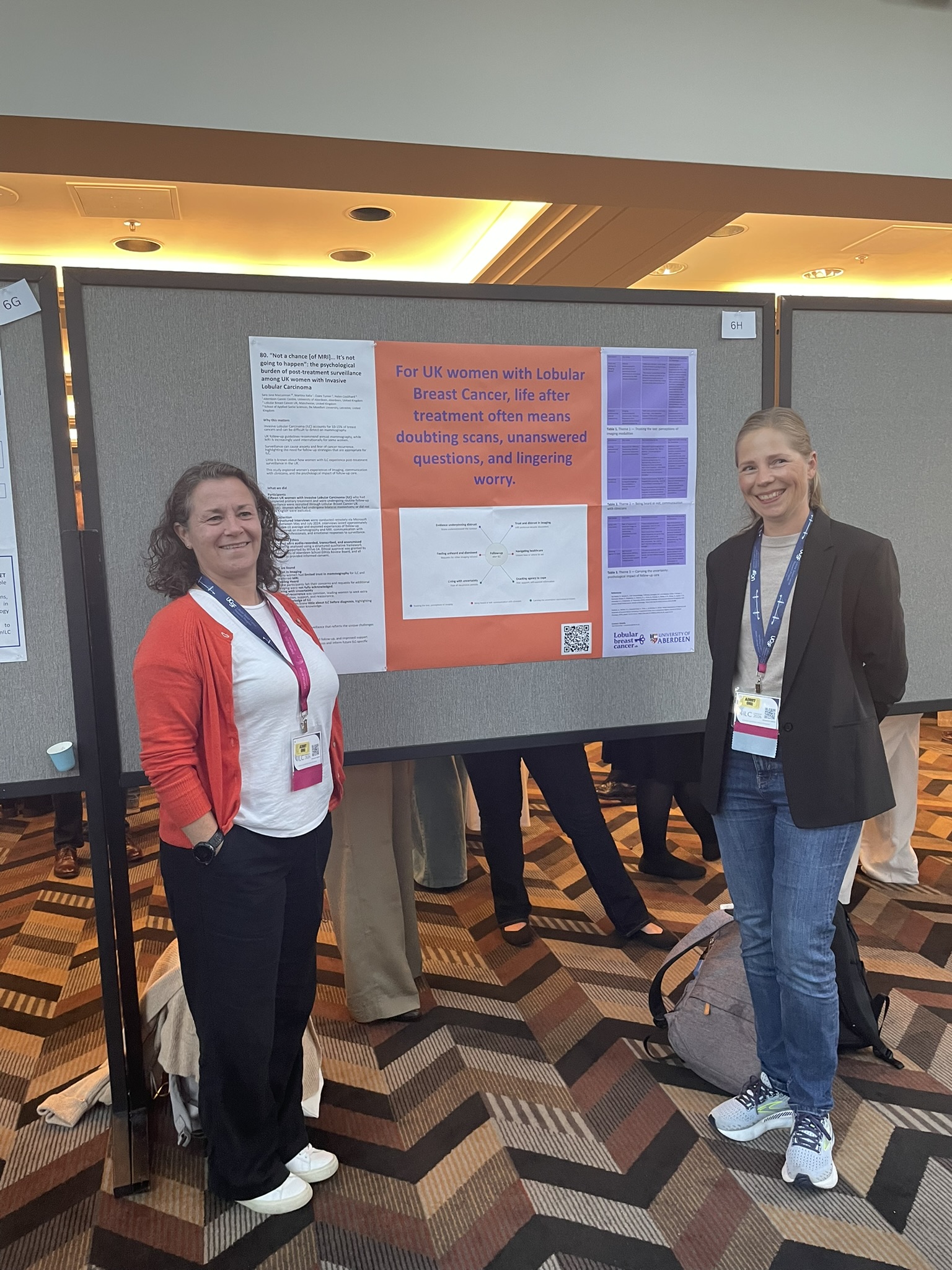
One particularly meaningful moment was seeing a poster on the psychological impact of post-treatment surveillance, from a study by Lobular Breast Cancer UK and the University of Aberdeen. I was not directly involved in conducting the research or creating the poster; rather, it was the work of a charity I am deeply involved with. Seeing it presented alongside the scientific research was nevertheless incredibly rewarding. One patient’s words appeared in the published abstract: mammography “had detected maybe a fifth of the cancer”. It was a powerful reminder that patient experience is evidence too.
The Networking Experience
Around seventy patient advocates attended, and the opportunities to meet were deliberately built into the programme. I sat at a different breakfast table each morning, which turned out to be one of the best decisions I made. I met advocates from Europe, North America, Canada, Australia and New Zealand, from people relatively new to advocacy to others with twenty years of experience. We talked about everything from menopause and surveillance to metastatic disease, healthcare systems and how to explain complicated science to people who are frightened and exhausted. As a relatively new advocate, that informal sharing of experience was invaluable. I came home with new relationships, new ideas and a much better understanding of the wider advocacy landscape. One lesson for next time: the talks appear online afterwards; the conversations do not.
Applying This Experience to Future ILC Advocacy
The value of the grant does not end when I leave San Francisco. The imaging, biomarker and metastatic-disease science will feed straight into my UK advocacy and my work with the European Lobular Breast Cancer Consortium. Co-moderating the mechanisms of metastasis session with Dr Julia Houthuijzen of the Netherlands Cancer Institute was a first-hand lesson in how researchers and patient advocates can make scientific discussions more relevant to patients. It is exactly the kind of learning our Communication & Education working group exists to pass on: turning complex research into information patients can actually use. And it keeps travelling: in December, our real-world-data perspective goes to a think tank at the San Antonio Breast Cancer Symposium.
The relationships are part of that, too: LBCA, the wider international advocacy community, and colleagues across the ELBCC network. One conversation over breakfast has already led to a concrete idea for bringing patient education to my home community.
Notes for Future Patient Advocates
If you are a patient reading this, my biggest takeaway is not that you need to understand every new imaging technique, biomarker or molecular pathway. You don’t.
What matters is knowing that lobular breast cancer research is moving forward, and that researchers are increasingly asking questions specific to how lobular breast cancer behaves. It is still not moving fast enough, and access to promising developments is uneven, but there is real progress.
For a first-time advocate, my advice is simple: prepare, ask questions, and talk to people. LBCA’s background materials are invaluable, but some of the most useful learning happens over breakfast or in the corridor. And if, like me, you sometimes feel more comfortable with data than with feelings: the feelings matter here, too. They translate. That is what I brought home from San Francisco: not just more knowledge about lobular breast cancer, but a stronger sense of how to turn that knowledge into something useful, understandable and meaningful for the people living with it.
Barbara Neilsen, LBCA founding patient advocate
What I Learned
While a number of attendees expressed disappointment that there is not enough progress and no specific targeted treatments, I had the opposite reaction. Ten years ago, when I was diagnosed, no one had even heard of lobular breast cancer. I had a difficult time finding any information about the disease and physicians were quick to dismiss any consideration of it as a disease that was separate from ductal cancer. Now, ILC is being noticed as a distinct disease. Doctors are beginning to specialize in its treatment and there are lobular departments in many institutions. ILC is now the subject of research funded by numerous organizations. Change takes time, but I am encouraged by the progress.
It was wonderful to see so many physicians and researchers looking at so many different ways to attack our disease. Also, I felt less alone in the fight when I saw the number of patient advocates attending. And I know the information is getting out there to the public. LBCA has done a great job of raising awareness and people are noticing. The formation of the Lobular American Research Consortium (LARC) is particularly encouraging since there are 13 sites involved with 5 more pending, and they will embrace collaboration, not competition.
On the other hand, I learned that there is still a long way to go! There are many different cell lines used in research, some that have very little ILC in them. ILC organoids are slow growing and difficult to maintain. Mammary fat pad xenografts can take a year to grow but have benefits because they will metastasize so mILC can be studied. Then there might be bioengineered models that are not animals at all. Having so many options makes it difficult to standardize study results. It’s more expensive to use ILC models and getting funding is difficult. Another issue is that there are so many ILC subtypes that all look and respond to treatment somewhat differently.
Premenopausal women with ILC have not been studied separately from the general ILC population. This is a group that is increasing and has different issues than the majority of ILC patients who are post-menopausal. Metastatic ILC has been rarely studied due to the difficulty in finding measurable disease.
One bright spot for me was the progress being made in imaging. With better approaches, measurable disease will be detected and mILC patients will be able to participate in clinical research. It will also be easier to detect the extent of the initial tumor(s) resulting in clearer margins and fewer repeat surgeries. FES PET is emerging as better than FDG PET for ILC, and the new FAPI PET seems to be even more promising.
I learned a lot of new information about ILC that will be useful to me when I do grant reviews. I currently review grants from LBCA/American Association of Cancer Research (AACR), LBCA/Society of Nuclear Medicine and Molecular Imaging (SNMMI), Susan G. Komen, and the Department of Defense (DoD). My new-found knowledge will also be useful in mentoring patients which I do through After Breast Cancer Diagnosis (ABCD). I talk to friends and strangers about ILC when I can, so it is helpful to have the latest information.
The Networking Experience
The networking experience was fantastic. It was encouraging to hear what others are doing, how they are forming support groups, raising money, and working with researchers as well as managing their own treatment. This experience was very different from the only other symposium I attended in Pittsburgh. This was much more inclusive, with better opportunities for sharing.
Notes for Future Patient Advocates
There really isn’t any other information that would have been helpful to me. I arrived early the day before the conference due to the availability of flights. It might have been nice to have had more information about sightseeing options for that day or a meet up for others who were there early so I wouldn’t have had to eat dinner alone.
If I knew ahead of time that the next meeting would be in Paris, I might not have applied for the travel grant this time, since Paris will be even more expensive!
I really appreciated the background information on the presentations. It was a great deal of information to read but it was worth it to better understand the scientific presentations.
Brenda Sulick, patient advocate
What I Learned
I attended all session types (panels, debates, keynotes, etc.), and thought the program was especially well-developed. However, I thought the panels that included three presenters (as opposed to four presenters) were easier to digest. Almost all the panel discussions went over time, and there was a lot of new, highly scientific, information to take in for patient advocates. The extra time could have been used for additional breaks.
My learnings began before the event started with the summaries of the presentations provided to the patients in advance. This document was comprehensive and gave me some insight to what might be discussed in each session.
Although it was speculative, the summaries helped me have a better understanding of the science. This was especially critical to me because I co-moderated one of the sessions and my presenters did not send me their slides until a day or two before the meeting. Having the summaries allowed me to draft moderator questions and feel like I had a better idea of what the science that would be presented.
I learned many new pieces of information, such as alcohol is not detrimental to your health after breast cancer diagnosis, UPTIDER autopsy program indicates that cancer can be detected from other bodily fluids besides blood, and that artificial intelligence can play another role in imaging that radiologists must also be involved.
The Networking Experience
Networking with the other patient advocates was one of the highlights of the meeting. I enjoyed the opening meeting for patient advocates where we had a chance to meet each other, divide into small groups, and answer a series of questions about which topics were most important to us and questions for the presenters. It was comforting and inspiring to meet other patients and learn that many of us are dealing with the same issues (e.g., drug side effects, provider/insurer issues, etc.). It was also an excellent way to prepare the meeting presentations.
Applying This Experience to Future ILC Advocacy
The experience and knowledge gained will help me to advance ILC advocacy in two ways. First, I learned more about ILC and the different tests used to monitor the disease, which will help me to promote the need for them (e.g., PET, MRI, etc.) for ILC patients. Second, meeting LBCA advocates in person and getting to know them on a personal basis will help me to work with them in the future as the Volunteer Coordinator.
Notes for Future Patient Advocates
Retrospectively, I wish I had known in advance what the presenters planned to discuss during the session I was moderating. For future attendees, I would tell them not to stress about science and that you don’t need to understand all the sessions. The information will sink in gradually. I also learned that it is important to take breaks when you are feeling overwhelmed with data. Taking a short walk outside of the hotel helped me get through the day.
Ciara Mohan Gustafson, patient advocate, LBCA LAT ambassador
What I Learned
To summarize my experience at the 2026 International Lobular Carcinoma Symposium in San Francisco will be a challenge, simply because I came away with so much positive feedback, so many memorable moments, and pages upon pages of notes. It is hard to know where to begin.
I will start by saying that I understand and appreciate that no two conferences are ever quite the same. Each one creates its own unique experience and memories that stay with those fortunate enough to attend, particularly as patient advocates. So much careful planning goes into these events, and I am incredibly grateful to all the organizers and committee that us patient advocates have the opportunity to come together for a week of seminars, scientific sessions, discussions, activities, and connections. It is an opportunity like no other. I was especially excited to attend this year’s ILC because of the concentration of emerging lobular research and the incredible amount of new data coming from clinical trials and laboratory research that global experts have been working on over the last several years.
The science was fascinating. There were so many new ways to think about studying invasive lobular carcinoma. We heard about how rats may play an increasingly important role in research and the differences between using rat and mouse models. We learned about institutions expanding biobanks and growing organoids that may eventually allow researchers to tailor therapies much more precisely to the individual characteristics of a tumor.
I also enjoyed the sessions about exercise and hormone replacement therapy (HRT). These were very practical sessions that can help many patient advocates that aren’t so science heavy seeking. There were also discussions about different modeling systems that could fundamentally change the way we characterize and classify ILC in the future. We also had fascinating conversations about the tumor microenvironment and the connective tissue surrounding the tumor, including research into the consequences of the loss of E-cadherin, one of the defining characteristics of lobular breast cancer. We discussed HRT, exercise, recurrence, and so many other areas of research that continue to raise important questions about how we understand and treat lobular breast cancer. The days were absolutely jam-packed with brilliant presentations and discoveries from global lobular scientists, researchers, oncologists, and clinicians.
The Networking Experience
And then there were the patient advocates. I was incredibly proud to see so many highly educated and engaged patient advocates given the opportunity to participate directly in the scientific sessions as co-moderators. I was particularly grateful for the opportunity to represent Session 4 and to sit alongside experts in the field. Being able to participate in this way is important. It allows advocates to listen closely, ask questions, learn from the researchers, and then take that information back into our communities. It also shows other advocates what is possible when patients are included as meaningful participants in research conversations.
For me personally, these conferences have many layers of highlights. There is the part of me that gets to feed my scientific-hungry, nerdy brain. I love sitting in a room full of researchers and trying to unravel the complexity of the science, taking notes and constantly thinking about how I can translate what I am learning into language that other patients can understand. But there is another part of these conferences that feeds my heart. That is the time spent with the women I have come to call my advocacy sisters. We absolutely know how to live in the moment, and we don’t waste much time once we are together. There is always far too much catching up to do. We wrap our arms around one another, lift each other up, share our life stories, laugh until our stomachs hurt, and sometimes share tears.
The magic that happens when a global group of advocates comes together is difficult to describe. Ideas are exchanged, those ideas become bigger ideas, and suddenly conversations turn into collaborations, projects, educational opportunities, and new ways of reaching people affected by lobular breast cancer. That is one of the things I treasure most about these gatherings. It is never simply about sitting in a conference room listening to presentations. It is about what happens between the sessions, in the hallways, over meals, during walks, and in those little moments when advocates from different parts of the world realize that they are working toward many of the same goals. And then, inevitably, it is time to say goodbye. It never feels like enough time.
Applying This Experience to Future ILC Advocacy
I am excited to have so many notes to return to from this conference. I know I will continue going back through them, slowly unraveling some of the scientific complexity and finding ways to translate what I learned into information I can share with patients, advocates, clinicians, and anyone who asks me, “So, how did it go?” The timing of this conference was also perfect for me because I am preparing to travel to Ireland for a lobular-specific event where I will be speaking about updates in lobular breast cancer. I could not have asked for a better opportunity to immerse myself in the newest research immediately before bringing that information home and across the Atlantic.
One of the most emotional highlights of the conference happened outside the hotel. We had the opportunity to celebrate the first leg of the journey for the Lobular Breast Cancer Awareness Tour. Seeing that tour bus sitting outside the hotel brought a sudden wave of emotion. For many of us involved with the advisory board and our monthly LAT meetings, the tour bus had been something we had talked about, planned around, watched develop, and waited for. Seeing it there felt a little like watching something we had been preparing for over many months finally come to life.
I did not do the work required to put the tour bus together, and I would never take credit for that. But I had heard about the many steps involved, watched the planning unfold, and understood how much effort went into making it happen. So seeing that tour bus outside the hotel on the final day was incredibly special. I am proud of the women who are taking the tour bus all the way to the east coast and carrying lobular breast cancer awareness with them every step of the way. We also had the opportunity to meet many new advocates who were interested in becoming involved with LBCA. One of the things I love most about this community is how welcoming it is.
Notes for Future Patient Advocates
Those of us who have attended previous conferences and have had the opportunity to learn directly from researchers are always sharing what we have learned with newer advocates. There is no sense of keeping information to ourselves. We learn, we share, we support, and we lift one another up. Whatever we have picked up along the way, we try to pass along to the next person. That is advocacy at its best.
When I look back at the 2026 ILC Symposium, I realize that what I am taking home is much more than a notebook full of scientific information. I am taking home new questions, new ideas, new connections, new collaborations, and an even deeper understanding of where lobular research is heading. I am taking home information that I can translate and share with others. And I am taking home memories of laughter, friendship, science, advocacy, and the tour bus crossing the Golden Gate Bridge. These are memories I will never forget. Most of all, I am incredibly grateful to LBCA for continuing to encourage, support, and invest in patient advocates and for creating opportunities for us to be part of these conversations. There is still so much to learn about lobular breast cancer. There is still so much work to do. But after San Francisco, I came home feeling even more energized to be part of it.
Gina Bolton, patient advocate
Attending the International ILC Symposium was an experience that was difficult to put into words. As a patient advocate, I arrived knowing that I would be surrounded by researchers, clinicians, and other advocates who understood ILC. What I did not anticipate was how profoundly it would affect me to be in a room where so many brilliant people were dedicating their careers to understanding the cancer that changed my life.
What I Learned
The scientific program covered an extraordinary range of topics, from genetics and hormonal exposures to the biology of the ILC cell and tumor microenvironment, diagnostics, clinical management, imaging, treatment resistance, metastasis, and ILC-specific clinical trials. There were also opportunities to learn about advocacy and the importance of incorporating patient advocates into research.
Much of the scientific material was honestly beyond my comprehension. I found myself listening to presentations about proteins, pathways, molecular signaling, tumor microenvironments, biomarkers, and other subjects that were far outside my background. At times, it was overwhelming. However, there were clinicians and researchers who were clearly accustomed to communicating with people who do not have a scientific background, and those presentations were much easier for me to follow. The background materials LBCA provided before the ILC symposium were incredibly helpful in preparing me for this. They gave advocates a foundation for understanding the terminology and purpose behind many of the presentations, even while emphasizing that the materials were preparation rather than summaries of the actual talks.
One of the most important things I learned was just how much work is happening to understand ILC as its own disease rather than simply treating it as another form of breast cancer. Sessions examining the unique biology of ILC, diagnostics and clinical management, and trials specifically involving lobular disease reinforced for me why ILC-focused research matters. The clinical trial session, for example, included PELOPS, a trial examining treatment response in lobular breast cancer, a Vanderbilt-led trial of neoadjuvant neratinib for HER2-mutated ILC, LOBSTER, and a presentation on integrating patient advocates into ILC research.
That was both exciting and sobering. I was surrounded by evidence that researchers are asking the right questions and increasingly designing research specifically around ILC. At the same time, I was reminded that research takes time, and that the existence of promising research does not immediately translate into different standards of care for patients today.
The Networking Experience
The networking experience was, without question, one of the most meaningful parts of the symposium. I have often described my experience with ILC as feeling like I was on an island. I live in Tennessee, and although I am surrounded by people who care about me, very few people truly understand what it means to be diagnosed with lobular breast cancer. At the symposium, I experienced the complete opposite.
It felt like walking from an island into a crowded room where everyone knew the word lobular. I actually got goosebumps being surrounded by people who understood the unique concerns that come with ILC. After swimming in an ocean of breast cancer, it felt as though someone had thrown me a life raft and shown me dry land.
There were more than 300 people attending, including more than 50 patient advocates, and the opportunity to talk with people from different parts of the country and the world was incredibly encouraging. I met researchers whose work I had read about and people whose names I recognized from the lobular community. I also met members of the LBCA leadership in person and was able to express my gratitude for the work they are doing.
One particularly memorable experience was meeting Patrick Derksen, PhD, whose research on E-cadherin has been foundational to our understanding of ILC. Sitting at the same breakfast table with him, along with other researchers and advocates, was surreal. These were not simply names in scientific papers anymore. They were people sitting across the table from me, talking about the disease I had experienced personally.
I also met an oncologist from Vanderbilt University Medical Center (Laura Kennedy, MD) who was presenting research at the symposium. I had not realized the extent to which Vanderbilt was involved in ILC research, and learning this was both surprising and encouraging. Our conversation led to an invitation to consider becoming involved in Vanderbilt’s patient research advocacy efforts. We also discussed my interest in learning more about Vanderbilt’s approach to caring for patients with ILC. That connection alone made attending the symposium feel incredibly worthwhile.
Applying This Experience to Future ILC Advocacy
I don’t think the symposium necessarily changed the direction of my advocacy as much as it strengthened my resolve. I came home with an even greater desire to increase awareness of ILC and to reach other people who may be facing a diagnosis without understanding that lobular breast cancer can present and behave differently from what they have traditionally been taught about breast cancer.
I am particularly interested in reaching people at the local level. One idea I am exploring is a lobular-specific support group through my local Gilda’s Club. My experience at the symposium reinforced how important it is for people with ILC to have opportunities to connect with others who truly understand their experience.
I also want to continue building relationships with clinicians and researchers in my area and finding ways for the patient voice to be included in research. Meeting researchers face-to-face helped me realize that advocacy is not only about educating the public. It can also mean helping researchers and healthcare professionals understand what the patient experience actually looks and feels like.
Notes for Future Patient Advocates
This was my second breast cancer related conference, so I felt much better prepared than I did the first time. The biggest advantage was having the pre-conference materials. I cannot overstate how helpful they were. I have referred to the background packet so many times that my copy is practically falling apart!
My advice to another first-time advocate would be to read the materials beforehand, but not to worry about understanding everything. You are not expected to walk into a scientific symposium and understand every presentation. Take in what you can, ask questions, talk to people, and don’t be afraid to admit when something is over your head.
Most importantly, I would tell a first-time advocate to make time for the people. The conversations between sessions, over breakfast, at posters, and around the tables were just as valuable to me as the formal presentations. There were many times when I decided against taking a break or a walk outside so I could have more time for conversations with others. This time was absolutely invaluable and made the conference feel extremely rewarding!
The symposium gave me something I didn’t realize I needed: the reassurance that I am not alone on this island. There are researchers working every day to find answers, clinicians trying to improve care, advocates raising their voices, and patients who refuse to accept that ILC should remain overlooked.
By the final day, I did have a moment of reality. Despite all of this research and the growing inclusion of ILC in clinical studies, patients are still largely facing the same standards and protocols. The excitement of being surrounded by people who “get it” is temporary, and eventually I return home to my island. But I don’t return with the same perspective I had when I left.
I return with a larger community, a stronger voice, and a renewed determination to help make sure that the next person diagnosed with lobular breast cancer does not feel as alone as I once did.
Jules Netherland, patient advocate
What I Learned
I’m very grateful to LBCA for supporting my attendance at my first ILC Symposium. While I learned a lot at Project LEAD a few years ago, I learned almost nothing about ILC. Everything I know about ILC has been self-taught, much of it through LBCA resources. I attended all of the sessions, except the Breakfast and Banter session. I liked all of the formats, but the debates were probably my favorite, because, not only were they engaging, but they helped clarify where there is division in the field and what makes ILC unique. I think I also appreciated them because they were some of the presentations that most got at the issue of over-treatment, which is a particular interest of mine.
I was also very interested in learning more about the unique tumor environment of ILC and the implications of that for both imaging and potential new treatments. From the proteomic features, the interaction with stroma (CAP and FAP), metabolic enzymes, collagen, and macrophages, I found this to be a very interesting and exciting way of approaching ILC.
Relatedly, I was (perhaps naively) unaware of just how varied and complex ILC is. The fact that there are active debates about how ILC should even be defined (is loss of e-cadherin enough?) was just one indication of how complex ILC is. From different ILC subtypes to the tumor heterogeneity and adaptation and molecular pathways of ILC cells under drug resistance and other factors – I better understand why we need better understandings of subtypes, targeted approaches, and precision medicine. I am very happy that I will be working with Dr. Lounes Djerroudi at Memorial Sloan Kettering (MSK) on his AI project to delineate subtypes of ILC.
I also enjoyed learning about all cellular pathways and potential targets and was surprised at how much of that conversation I was able to follow. The oral abstracts and quick shots were interesting, and I appreciated that they offered opportunities for more junior researchers to present, but I found them hard to follow at times. I also liked the poster sessions because they allowed in depth conversation with researchers and a good opportunity to share a patient perspective with researchers.
I have never been to a conference that did such an amazing job of bringing advocates, researchers and clinicians together. It is truly extraordinary and much appreciated. It was hard not to notice how few Black advocates and researchers were there and how that important voice was largely missing. As someone based in NYC with its wealth of diversity, if I can help with outreach in the future, please let me know.
The Networking Experience
My experience networking with other advocates was great. I loved the half-day we had together to start, and the meals provided a great opportunity to connect. I thought everyone was very warm, and as a first-timer I felt very welcomed and included. I also was able to connect with another patient advocate who is switching her care to MSK – a connection that is going to be invaluable for our advocacy work. It was great to learn about the kinds of amazing work others are doing to inspire my own advocacy.
Applying This Experience to Future ILC Advocacy
I’m super charged up about using this experience in my work with MSK’s ILC Program. I have been working with them on research grants for a while, but I now feel so much better informed and am leaving with lots of ideas – both about patient/provider education and research. MSK has a large cohort of ILC patients, and I think there is much we could learn. Some of the ideas I am hoping to explore with them include:
- Research on risk and exposure using retrospective analysis of MSK patients with ILC (e.g., dense breasts; hormone exposure; potentially related conditions or precursors, like treatment for endometriosis)
- Looking at role of inflammation in tissue mechanics and prognosis
- Role of specialized radiologists to look at mILC scans at MSK and/or training for radiologists
- What are MSK’s best practices related to monitoring and scanning for ILC patients in both early and advanced ILC?
- What is happening with tissue donation at MSK? Can a patient direct tissue donation for ILC research? Is there a way for MSK to contribute to ILC cell lines?
- Looking at the characteristics, mechanisms, and outcomes of CDK4/6 resistance (e.g., what can we learn about the RB1 mutation)?
I’ve been wanting to get more involved in LBCA’s research committee work, but honestly I found it very difficult to make time given my full time job, advocacy work at MSK, and organizing I’m doing on other issues. Fingers crossed my schedule eases up, and I am able to be more engaged.
Notes for Future Patient Advocates
Honestly, I felt well-prepared for the Symposium. I think the encouragement to review the educational videos was spot on, and I can’t say enough good things about the materials that patient advocates prepared based on the agenda. I spent a lot of time with those, and I know it helped me follow the presentations. My advice for a first time advocate is this event is totally worth your time, and you will get more out of it if you do the preparation before the event. I think another thing that would help is for there to be some easy way for advocates to connect regionally. I was so impressed by LBCA’s work on this – the support, the communication, the prep materials, the hosting onsite.
Julie Nielsen, patient advocate, LBCA travel grant recipient
Coming from the fisheries science world, I am no stranger to scientific conferences. I know that conferences are a great way to get up to speed on the scientific background, learn about the latest research, and meet other researchers. This was my first breast cancer-focused conference though, and so in that respect I found that there were some additional benefits to attending the conference that I didn’t expect.
What I learned
The talks covered a large array of research topics that were focused on (or relevant to) ILC. Overall, the talks painted a picture of a complex and incompletely understood disease. The defining characteristic of ILC is the lack of functioning E-cadherin proteins on the cell surfaces, which allows cells to attach to other cells and to know where they are relative to other cells and the extracellular matrix. As well as being the defining feature, the loss of E-cadherin is fundamental to the way ILC cells function, reproduce, and metastasize. Many of the talks discussed new insights into the unique biology of ILC and how it differs from IDC. Some of this research points to potential risk classification methods, future treatments, and advances in imaging based on these new understandings.
One of the things that impressed me the most was how heterogeneous the disease can be from one person to the next. The talks on the difficulty of diagnosis were very interesting to me as I had not seen the images of different morphologies that can be present with ILC. These range from relatively isolated “ropes” to very dense cells that cover the whole slide, along with different shapes, sizes, and arrangement of cells. Other talks discussed how tumors varied in terms of their microenvironment, with varying prognoses based on the presence of immune cells, fibrosis, or vascular involvement. These studies raise the prospect of de-escalating treatment for some patients or customizing a more aggressive treatment for others.
The Networking Experience
First, I did not know what an incredible experience it would be to meet other patient advocates. It was a relief to be able to talk to others who are dealing with the same things without having to explain everything, and I was grateful for advice received from people farther down the ILC path that I am. Many were very experienced; they were already familiar with the research and knew each other from previous meetings and other advocacy efforts. Others were newly diagnosed and at the same level I was learning about and experiencing treatment for ILC. Connections with other advocates that I made at this conference will be one of the most valuable results for me and I am already looking forward to future conferences.
Second, I didn’t realize how tightly patient advocates were woven into the whole structure of the conference. Patient advocates spent several hours together before the conference began to meet each other and brainstorm on different topics relative to current and future research. Then at the end of each day we had a chance to ask questions with different researchers who could answer any questions about the presentations. It made for very long days, but it was a very effective way to prepare for and digest the talks that we heard. Patient advocates were involved in organizing the conference and served as co-moderators in every session. They were able to synthesize questions on behalf of the other advocates in the question/answer period after each session. In addition, before the conference, advocates wrote background articles explaining each talk in each session. With all of this support I was able to understand and absorb the content of most talks, for the most part, despite being new to the subject matter.
Applying This Experience to Future ILC Advocacy
Overall, I feel that attending the conference provided me with a broad overview of current ILC research. I am now more informed and can help other patients understand aspects of the disease and treatments. I will be participating in a local breast cancer awareness forum on October 15 (Lobular Breasts Cancer Awareness Day!) and will be able to speak about ILC in general terms, not just what I have learned from my own experience. As a direct result of attending this conference, I discovered that I have an interest in mechanisms of metastasis and would like to participate in research that studies ways to prevent it for ILC. I am grateful to LBCA for supporting my travel and attendance at this meeting.
Julie Ray, patient advocate, LBCA LAT ambassador, LBCA travel grant recipient
What I learned
I cannot begin to explain how grateful I am to have had the honor of attending the ILC Symposium 2026 in San Francisco as a LBCA Travel Grant recipient. Attending a symposium in which ALL of the presentations and research posters were about ILC was educational, meaningful, and motivating as a patient advocate.
Hearing from clinicians and researchers in oncology, radiology, pathology, and surgery present the way each has pushed the edges of the envelope to deepen our understanding of this understudied type of breast cancer demonstrated a unity of vision and mission that is making a difference for ILC patients from new diagnosis and survivorship through metastatic progression.
I learned how complex lobular breast cancer is, mutating from primary tumor biology and histology to evolved metastatic forms, some of which feed more off of lipids than estrogen, cluster and use healthy cell DNA fragments to fuel and deceive the immunity system, and adapt to survive as they engage and resist new pharmacological inhibitors over time. Multiply this mutation effect by the many subtypes of ILC, and the spread of studies needed grows exponentially. This gives me tremendous respect for the professionals working feverishly to crack the code of lobular breast cancer to find a way to manage and control it or ultimately to cure it. My heart goes out to the burden they bear on our behalf.
Tremendous respect also goes to the participants in the studies, both living and deceased, who have engaged, endured, and provided preciously important information to forward-focused testing and retrospective studies that work to explain current imaging limitations and pharmacological solutions as well as to point us toward new opportunities for study. Ultimately, it is the collaboration of the medical disciplines and patient participants and advocates who are leaning into the answers that will ultimately beat lobular breast cancer.
I was struck by the quantitative data presented and the qualitative evaluations of that data that gave meaningful insight to non-medical patient advocates. Especially helpful were the layman’s summaries and glossaries provided in advance of the ILC Symposium, so that the time-limited presentations were more understandable for patient advocates. Having such access to what others have dedicated years of education, lab, and clinical experience to attain, is profoundly motivating to me as a patient advocate. In addition to equipping me to have meaningful and credible conversations with hospital systems and community providers, it gives me confidence in communicating also with prospective donors to this research.
The Networking Experience
The other patient advocates I met who posed questions and comments in the Q&A sessions inspired me to commit to more scientific education through Project LEAD next year. It was also quite motivating to connect other patient advocates, which included ILC patient family members, to summary articles authored by some of the leading researchers, organizers, and presenters of the ILC Symposium. Helping others learn strategies to penetrate hospital systems to motivate ILC patient educational programs and professional development of community providers is particularly of interest to me. It takes just as much time and effort to knock down the last domino (a doctor appointment) as it does to knock down the first domino in organizational leadership that will bring with it a cascade of momentum throughout the organization.
I plan to use my notes from the ILC Symposium to build a communications strategy to do just that: reach and connect top-down entry point contacts identifiable at NCCN and SABCS for hospital systems in the southeastern U.S., which currently is almost completely void of lobular breast cancer-specific research programs and clinical practices.
Notes for Future Patient Advocates
One thing I wish I had known before this event is the contact information of those ILC Symposium presenters who would welcome community provider introductions from elsewhere in the country. I learned through individual conversations with at least five of the presenters at the ILC Symposium that they are open to and often do just that. When community providers and hospital system leadership see patient advocates as having limited credibility due to our non-medical background, such a directory with contact information, including a list of recent studies, professional journal articles, and findings by those professionals, would be incredibly valuable. After all, shortening and accelerating the learning curve of community providers would:
- Help them and their lobular breast cancer patients.
- Close the gap between practices and the latest information.
- Increase pressure on standards of care to keep up.
- Place pressure on health insurance providers to increase the flexibility community providers need to prescribe ILC-specific imaging, testing, surveillance, and treatment needed.
The timeline for lobular breast cancer patients appears to be rather limited because of this gap in the clinical industry and corporate cultural learning curve.
I would recommend that first-time advocates think strategically about how best to use and apply their energy and time, learning about Invasive Lobular Carcinoma and pursuing objectives with motivated healthcare community leaders in order to efficiently make the greatest impact possible. Patient advocacy programs and videos seem to be the best way to become equipped for these conversations. Next, registering for conferences, knowing in advance which one or two local healthcare leaders with whom the advocate should connect, enables the advocate to kick off communication with provoking questions, clear goals, and credible resources in hand to advance patient and professional education.
Nikoo McGoldrick, patient advocate
What I Learned
This was my second time attending the ILC Symposium (the first was in Pittsburgh, where I spoke on a panel), and I came with a clear focus: imaging. Imaging has been one of the most difficult parts of my own journey with peritoneal disease. Lobular breast cancer is notoriously hard to see, and when it spreads to places like the peritoneum, standard scans often miss it. So while I attended a range of sessions, including the basic-science talks on the ILC cell, its microenvironment, and the mechanisms of metastasis, I listened to all of them through that lens.
The two imaging sessions complemented each other well. Session 8, “Advanced Imaging & Artificial Intelligence,” which I co-moderated, focused mostly on earlier-stage disease, with the exception of the final speaker, Dr. Elleke Dresen. Her talk offered valuable information, but it was also a sobering reminder of how far behind the United States is in using contrast-enhanced whole-body MRI, a tool that could make a real difference for lobular breast cancer patients. The test is available in the US, but it is not covered by insurance.
Session 9 was more targeted at metastatic disease, and it was the session that affected me most. The explanation of what is coming with FAPI imaging, a newer type of PET scan that targets the cells surrounding a tumor rather than the tumor’s sugar use, was enlightening. For years, those of us with metastatic ILC have been told that our disease simply doesn’t show up well on standard scans. Hearing about concrete, well-developed plans to address ILC imaging gave me genuine hope.
The basic-science sessions were denser, and I’ll admit that some of the science was over my head, even though I come from a science background. Still, they helped me understand many of the “whys” of lobular breast cancer. For example, ILC appears to fuel itself differently from other cancers, which may explain why it often doesn’t light up on standard PET scans. Seeing the laboratory research and the imaging research point to the same problem from different directions made the whole picture clearer.
The Networking Experience
Networking was one of the most meaningful parts of the symposium. I was struck by how international the advocacy community has become. I met advocates from Ireland, the Isle of Man, Alaska, Australia, New Zealand, the Netherlands, and many other places. One highlight was finally meeting Kris Elsby in person. We have been circulating in the same advocacy spaces for years, and connecting face to face was a real gift.
These conversations also showed me how unequal lobular breast cancer care is around the world. In New Zealand, I learned, FAPI imaging is already part of the standard of care. In Australia and Canada, patients must pay out of pocket for ctDNA testing, the blood test that detects tumor DNA and helps track disease. Canadian advocates also described how approvals for certain chemotherapy drugs lag behind those in the United States, which means patients there wait longer for treatments that are already available elsewhere. Hearing these stories firsthand reinforced that ILC advocacy has to be global. Each country is ahead in some areas and behind in others, and we have a great deal to learn from one another. What advocates share with each other at an event like this is priceless.
Applying This Experience to Future ILC Advocacy
For me, advocacy is continuous. I volunteer for dozens of organizations and I am regularly contacted by people who have just been diagnosed with ILC, and their stories often follow familiar patterns. Many have had to undergo a second surgery because the full extent of their lobular breast cancer wasn’t captured the first time. Some have been diagnosed de novo, meaning their cancer was already metastatic at the time of their first diagnosis. Almost all of them are overwhelmed and searching for information about a disease that even many doctors know little about.
The ILC Symposium strengthens what I can offer these patients. One message I emphasize again and again is the importance of being treated at a comprehensive cancer center with lobular breast cancer expertise. Many oncologists who are not active in research have little specific knowledge of ILC, and that gap can affect everything from imaging choices to treatment decisions. What I learned about FAPI, whole-body MRI, and ctDNA gives me concrete information to share. It also gives newly diagnosed patients better questions to bring to their care teams. And the international connections I made will help me put what’s happening in the US in context and push for the tools other countries are already using.
Notes for Future Patient Advocates
Having attended before, what I most want first-time advocates to know is this: come prepared, but don’t be discouraged if you understand only a fraction of the science. You may comprehend 20% of what’s presented, and that’s okay. Read the program in advance, focus on the sessions most relevant to your own experience, and take notes so you can revisit the material later.
Just as important, come ready to network. The sessions are only half the value of this symposium. The other half is the people. You will meet remarkable patient advocates from around the world, each with their own experience of lobular breast cancer and of the healthcare system in their country. The friendships, the shared knowledge, and the sense of being part of a global community are what you’ll carry home long after the details of the slides have faded.
Pamela Kinnon, patient advocate
Thanks to a LBCA travel grant, I attended the 2026 International ILC Symposium in San Francisco, September 23-25. I was present for all scientific sessions and the keynote addresses, the welcome breakfast and dinner banquet, as well as the Alcatraz social event. I carried the voices of our Australian and New Zealand lobular community into the room. It was so brilliant to be with other patient advocates as LBCA’s ‘rolling billboard’ bus arrived at the Hyatt Regency and to get excited by the messages. Thank you, LBCA, for making that possible.
What I learned
The keynotes and the scientific sessions stretched my thinking, while the advocacy session gave me something to act on that very day.
The keynotes asked us to be bold. Laura Esserman, MD, MBA, challenged the room to think beyond lobular versus no special type, towards “lobular diffuse”: characterising the biology of any cancer with E-cadherin loss, including diffuse gastric cancer. Her warning that research can live or die by its exclusion criteria stayed with me, as did her reminder that the ILC Symposium is the place for bold new ideas. Steffi Oesterreich, PhD, in the Dynami Foundation Leigh Pate Memorial Lecture, traced the ten years since the first ILC Symposium, then put a devil on the screen challenging us all to play devil’s advocate.
The scientific sessions opened up the possibilities. Much of the detail went over my head. When I asked a senior researcher whether he understood all that he was hearing, he said no, and I was reassured: everyone knows their lane. Mine is the advocacy lane, enriched by a lifetime of teaching, counselling and community building. I could also see from the quality of the other researchers’ and clinicians’ questions that they were learning as I was, thinking each finding through the lens of their own research. The science may have been difficult to understand but what wasn’t difficult to feel was the hope.
The science that stayed with me. Talking with other advocates helped me recall details I had missed. The more I learn about ILC, the more complicated it seems to become, yet that complexity is opening new doors. Even E-cadherin loss is no longer the whole story. Researchers are zooming in on the mutations that drive resistance to hormone therapy, some potentially targetable, and zooming out to the tissue around the tumour that helps lobular cells survive. Imaging was a major theme, because lobular cancer can be hard to see on standard scans; FES-PET, which shows oestrogen receptors throughout the body, is one approach being explored. I was proud to hear the University of Queensland (UQ) team’s progress on LobSig, their lobular-specific prognostic signature, first published with 194 genes and now being refined to just two. In the “Lobular Breast Cancer Australia and New Zealand: Knowledge and Kindness” Facebook group (which I am Co-Administrator of), a member of our community asked whether immunotherapy could ever work for “immune cold” lobular cancer in bone. I could add on to the response that it is being actively tested: Dr. Jason Mouabbi at MD Anderson leads IvoLoC, an ILC-specific trial of ivonescimab, a drug targeting both PD-1 and VEGF, and the earlier GELATO trial saw clinical benefit in 6 of 23 patients with metastatic ILC, four of them with triple-negative disease. It is early, but the needle is moving.
The advocacy session was clear and immediately useful. The session on integrating patient advocates in research made the case for partnership rather than inclusion: advocates involved from the planning stage of grants, trials and papers, not asked for a signature at the last minute. Advocates should inform, consult, involve, collaborate and co-produce, and research groups should have protocols for how that happens. This landed hard, because the day before the ILC Symposium our advocates’ WhatsApp group had been full of frustration at last-minute sign-off requests on grants people knew nothing about.
I was also struck by talk of the psychological burden of trials. A participant who does not respond, or who receives a placebo while others improve, may feel defeated and that time is running out. We should be educating and supporting as we seek a cure, not only measuring medical outcomes.
The Networking Experience
Strong connections came from preparation I had done before I left home. Using AI, I built a searchable glossary of 176 key terms drawn from the advocates’ background sheets, and shared it with fellow advocates on our WhatsApp group. I also turned the background sheets into plain-language summaries with questions across all presentations.
At the first session, advocates were asked to establish goals for what they wanted to learn at the ILC Symposium. We were then invited to pass questions to each session’s advocate moderators. I gave mine for every session. Many were asked from the floor, and speakers regularly answered with “great question.” Advocates came up to thank me, and those conversations became the beginning of new networks.
Connections deepened over meals and on the Alcatraz excursion. I spoke at length with Claire Turner of Lobular Breast Cancer UK, who is going to share the advocate partnership protocol her group has just completed. Together with Pete Simpson, PhD of the UQ team, we are building a three-way partnership on mutual respect and trust, one we have tested before on a shared issue.
I was proud to stand alongside advocates from many countries, grateful for their knowledge and support. Thank you to the LBCA team, including Laurie Hutcheson, Lori Petitti, Ciara Mohan-Gustafson, Gitte Henssel Joergensen, Diane Mapes, Jo Lynn Collins (online) and Kristen Elsby (we had worked on webinars together but never met), for their warmth and support. American advocates often work across great distances and very large populations, which makes local and state partnerships harder. As two small Commonwealth nations by population, Australia and New Zealand are close geographically and culturally. We were well represented by the UQ Centre for Clinical Research lobular team (Pete Simpson, PhD; Amy McCart Reed, PhD; Dr. Tivya Kulasegaran; and Dr. Kate Beecher Matthews). I meet the UQ team face to face regularly and online. Two members of our Facebook community were there: Kathi Schmid from Sydney and Gretel Silyn Roberts from Auckland.
There were many first-time advocates this year, far more than in Leuven, and many people very new to lobular breast cancer itself. I enjoyed meeting them and supporting them in whatever way they needed.
Applying This Experience to Future ILC Advocacy
I came home with five concrete next steps:
- An advocate partnership protocol with the UQ team. At the University of Queensland Centre for Clinical Research I am already consulted early, including on the language researchers use and whether it empowers or disempowers patients. We are now planning to develop a formal protocol, informed by the advocacy session and the UK model. I want it to address what stops patients volunteering for trials: transport and fuel costs, being able to drive, accommodation, childcare, meals, lost income, time, physical demands, and emotional and psychological support.
2. Lobular education for McGrath Breast Care Nurses. These nurses guide Australian breast cancer patients from surgery through radiation and medical oncology. The breast care nurse at my regional public hospital knew nothing about lobular breast cancer. I plan to work with the UQ team towards a webinar designed for these nurses.
3. A clinician push for Global Lobular Breast Cancer Awareness Day, October 15. I will ask members of our Facebook community to give at least one of their clinicians (general practitioner, oncologist, surgeon or radiologist) the link to LBCA’s free on-demand ILC training, developed with Memorial Sloan Kettering.
4. I plan to revise the Goals and Rules of the Facebook group to be better aligned to other international groups.
5. In February, I plan to fly to another state, New South Wales, and together with my Co-Administrator and local group members, hold a Lobular Information Session to further build awareness.
I have already actioned 3, 4 and 5 with meetings with Becky Collins (Co-Administrator of the Facebook group) and Kathi Schmid.
Notes for Future Patient Advocates
My advice to a first-time advocate:
- It is fine not to understand everything; knowledge grows.
- Use one artificial intelligence (AI) to decode the pre-reading. The background notes can be overwhelming; AI can turn them into summaries and questions to help you understand the science and the advocacy. Then give that to a second AI to check for veracity and accuracy of the content.
- Move tables at meals. Meet a variety of people, not only those from your own area and country.
• Know your own nature so you can nurture it. Step out of the room, or walk around the block, when you need to. Forgive yourself for being tired or for where you are with your understanding of science. - Know that you belong in the room. We want those coming after us to be helped sooner and to have better outcomes. The other advocates know exactly how you feel, and they are wonderfully kind.
- And… on a comical note… I wish I’d known that the Airport Hotel Shuttle bus to the Hyatt Regency was NOT going to take me to the right hotel, even if it was called the Hyatt Regency!